Acoustic Leak Detection in Las Vegas, NV
Water escaping a pressurized pipe makes a sound, even under concrete. Our ground and contact microphones filter out background noise and amplify that leak signature, pinpointing slab, wall and buried-line leaks to within inches across Las Vegas.
- Local leak specialists
- Same-day appointments
- Non-invasive testing
Pinpointing Leaks by Sound
How does acoustic leak detection work?
Water escaping from a pressurized pipe creates a hiss and vibration. Acoustic leak detection uses sensitive ground and contact microphones with noise filters to pick up that sound through concrete, soil and walls. The point where the sound is loudest marks the leak, often to within a few inches.
When water forces its way out of a pinhole or cracked fitting, it creates a hiss and vibration that travels through the pipe and the material around it. Acoustic leak detection uses electronic microphones and filters to pick up that sound and find the point where it is loudest, which is where the leak is.
This method is the backbone of underground leak detection and works well through concrete, tile and compacted soil. We often pair it with thermal imaging on hot-water lines, and once the leak is marked the repair can be handled through our pipe leak repair service.
- Ground microphones for slabs and yards
- Contact sensors for exposed pipes and valves
- Noise filtering for busy or windy sites
- Pinpointing to a small, marked area
 Pressurized lines
Leaks We Locate With Acoustic Equipment
Acoustic listening works on any pressurized line. These are the jobs where it does the heavy lifting.
Slab leaks under tile and concrete
The sound of a slab leak carries up through the concrete to our sensors.
Buried service and yard lines
We listen along the main water line route to find the loudest point.
Pool and spa pressure lines
Returns and pressure-side pool plumbing can be checked by sound.
Leaks inside walls
Contact sensors detect leaks in supply lines behind drywall.
Fire and commercial lines
Larger pipes in commercial buildings respond well to listening.
Irrigation mainlines
Pressurized irrigation lines can be traced and pinpointed.
Talk to a Specialist About Acoustic Leak Detection
Describe the problem and we will explain what the visit involves.
How Acoustic Leak Detection Works
Pressurize the line
The suspect line is isolated and kept under pressure.
Survey the route
Sensors are placed along the pipe path at regular points.
Compare readings
Filtered sound levels show where the leak noise peaks.
Mark the leak
The loudest point is confirmed and marked for repair.
Experienced Ears and Professional Equipment
Leak listening takes practice. Traffic, AC units and pool pumps all create noise, and knowing how to filter it out is what makes the result reliable.
Professional sensors
Ground and contact microphones with digital filtering.
Inches, not feet
Precise pinpointing for smaller repair openings.
No damage
Completely non-invasive testing.
Clear findings
Clear findings after every visit.
Acoustic Leak Detection FAQ
How does acoustic leak detection work?
Pressurized water escaping a pipe creates sound. Electronic microphones amplify and filter that sound so we can find where it is loudest, which marks the leak.
Can you hear a leak through concrete?
Yes. Sound travels through concrete and soil, which is why acoustic detection is so useful for slab and underground leaks.
Does background noise affect the results?
It can. We use filters and may ask for noisy equipment such as pool pumps to be switched off during testing.
How accurate is acoustic leak detection?
In most cases leaks are located to within a small area, which keeps repair openings minimal.
Can acoustic detection find drain leaks?
It works best on pressurized lines. Drain leaks usually need camera inspection or other testing.
Leak Detection & Repair Services
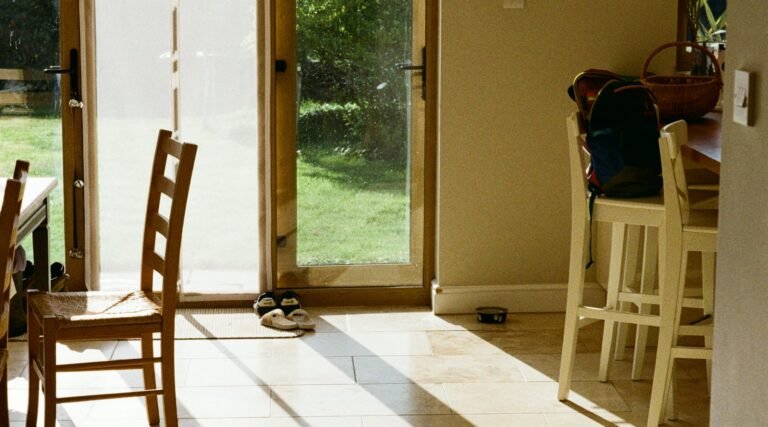
Slab Leak Detection
Find leaks under your concrete foundation with acoustic and thermal tools before you open a floor.
Learn more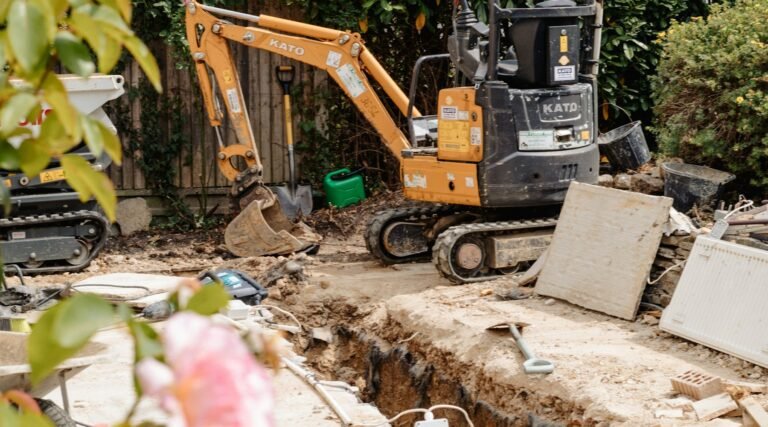
Underground Leak Detection
Trace leaks in buried lines between the meter, house, yard and pool equipment.
Learn more
Thermal Imaging Leak Detection
Infrared scans that reveal hot-water and moisture patterns hidden behind finishes.
Learn more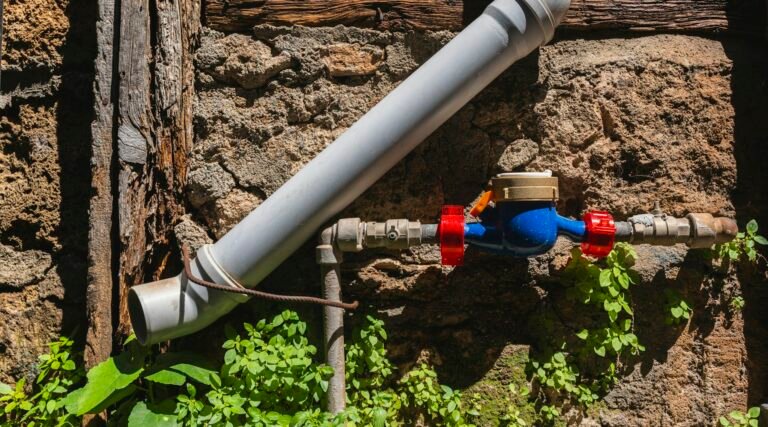
Water Line Leak Detection
Locate leaks on the main service line from the water meter to your home.
Learn more
Pool Leak Detection
Dye, pressure and electronic testing for pool shells, lights, skimmers and plumbing.
Learn more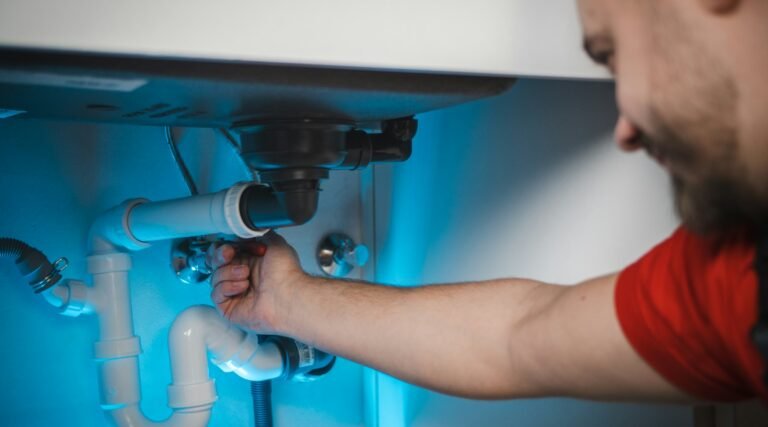
Water Leak Detection
Pinpoint hidden supply-line leaks inside walls, floors and ceilings without guesswork.
Learn more
Wall & Ceiling Leak Detection
Locate the source of stains, bubbling paint and drips in walls and ceilings.
Learn more
Commercial Leak Detection
Leak detection for offices, restaurants, HOAs, apartments and retail spaces.
Learn more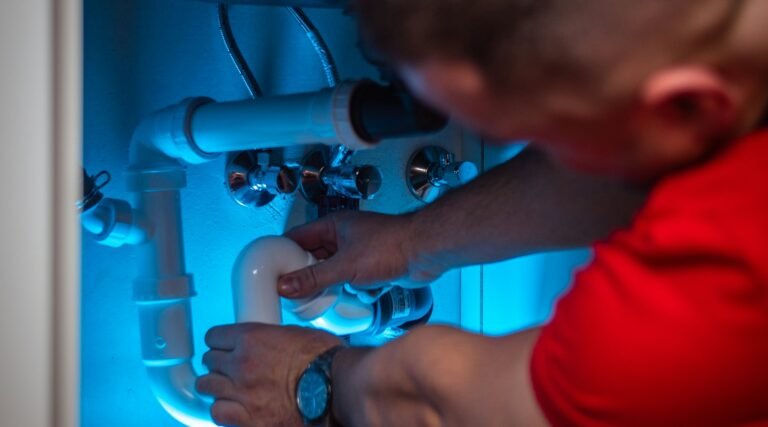
Pipe Leak Repair
Fix leaking copper, PEX and supply lines once the exact spot is confirmed.
Learn more