
Wall & Ceiling Leak Detection in Las Vegas
A brown ring on the ceiling, bubbling paint or a drip from a light fixture tells you water is getting in, but not where it starts. We trace it back through framing and drywall to the supply line, drain, fixture or AC line responsible, so you only open the drywall once.
- Local leak specialists
- Same-day appointments
- Non-invasive testing
Tracing Wall and Ceiling Leaks to the Source
How do you find where a ceiling or wall leak is coming from?
Water often travels along pipes and framing before it shows, so the stain is not always below the source. Moisture meters map the wet area, thermal imaging follows the water path, and nearby fixtures, drains and supply lines are tested until the source is confirmed.
Water rarely appears directly below the leak. It runs along pipes, joists and top plates before soaking through, so a ceiling stain can be several feet from the real source. Our wall and ceiling leak detection follows that path back using moisture meters, infrared scans and pressure tests.
Upstairs bathrooms are the most common source, and those cases usually turn into a shower leak detection test. Supply lines inside walls are confirmed with acoustic sensors, and once the leak is located, our pipe leak repair service can fix it through a single, small opening. In Las Vegas we also check AC condensate lines and water heater closets, which often leak into nearby walls during summer.
- Moisture mapping across walls and ceilings
- Infrared scanning to follow the water path
- Pressure testing of nearby supply lines
- AC condensate and water heater checks
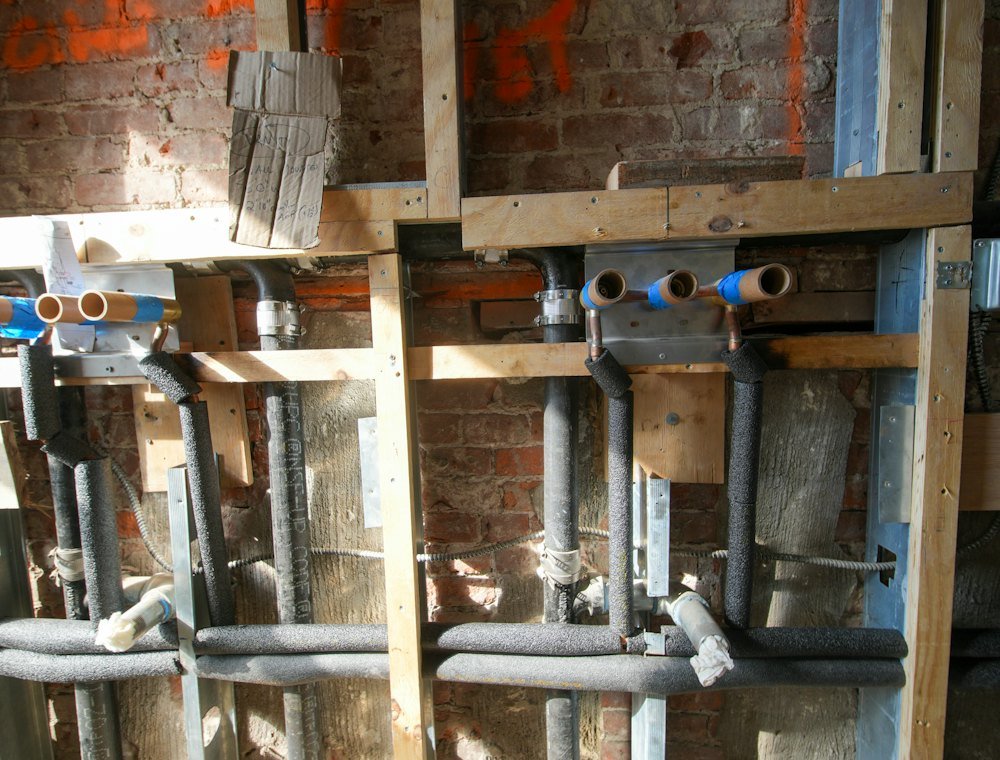 Interior leaks
What Usually Causes Wall and Ceiling Leaks
These are the sources we find most often behind stains and drips in Las Vegas homes.
Upstairs shower or tub
Pan, drain or valve leaks soaking into the ceiling below.
Supply line pinholes
Copper lines in walls developing small leaks over time, a common reason to consider repiping.
Toilet wax rings and supply lines
Slow leaks around upstairs toilets.
AC condensate lines
Clogged or disconnected drains from attic air handlers.
Water heater closets
Relief lines and connectors leaking into walls.
Appliance lines
Fridge, ice maker and laundry hoses behind walls.
Talk to a Specialist About Wall & Ceiling Leak
Send a photo or description of the stain and a local specialist will explain the next steps.
How We Trace a Wall or Ceiling Leak
Map the moisture
Readings show the wet area and how far it has spread.
Infrared scan
Thermal images follow the water path toward its source.
Test likely sources
Fixtures, drains and lines nearby are tested one by one.
Confirm and mark
The source is confirmed and marked for a small opening.
One Opening, Not Several
Cutting drywall in the wrong spot means more patching and painting. Finding the source first keeps the repair neat and small.
Methodical tracing
Moisture, thermal and pressure testing combined.
Documented findings
Readings and images for insurance claims.
Minimal disruption
Small, targeted access openings.
Quick response
Same-day help for active drips.
Wall & Ceiling Leak FAQ
Why is there a water stain on my ceiling?
The most common causes are an upstairs bathroom leak, a supply line pinhole, an AC condensate line or a roof leak during storms.
Is the leak directly above the stain?
Not always. Water often travels along framing before soaking through, so the source can be several feet away.
Can you find a leak without cutting drywall?
Yes. Detection is done from the surface. A small opening is only needed for the repair.
Could a ceiling stain be a roof leak?
During rare desert storms, yes. If the stain appears without rain, it is far more likely to be plumbing or AC related.
Should I turn off the water?
If water is actively dripping, shut off the main valve and call (702) 850-6436 for emergency leak help.
Leak Detection & Repair Services

Shower Leak Detection
Test shower pans, valves and drains that leak into subfloors and neighbouring rooms.
Learn more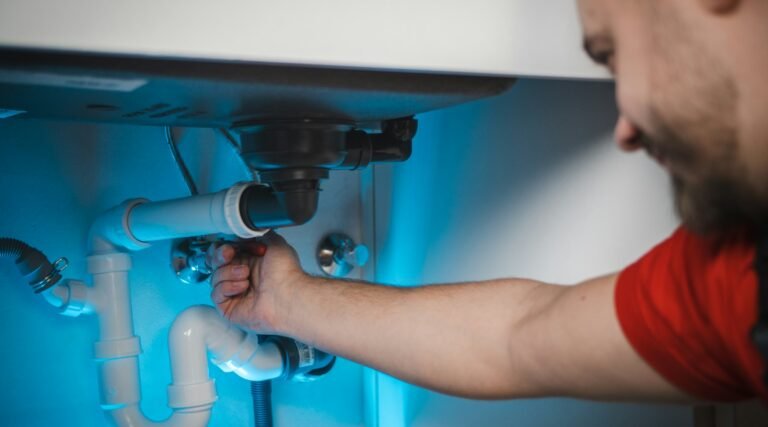
Water Leak Detection
Pinpoint hidden supply-line leaks inside walls, floors and ceilings without guesswork.
Learn more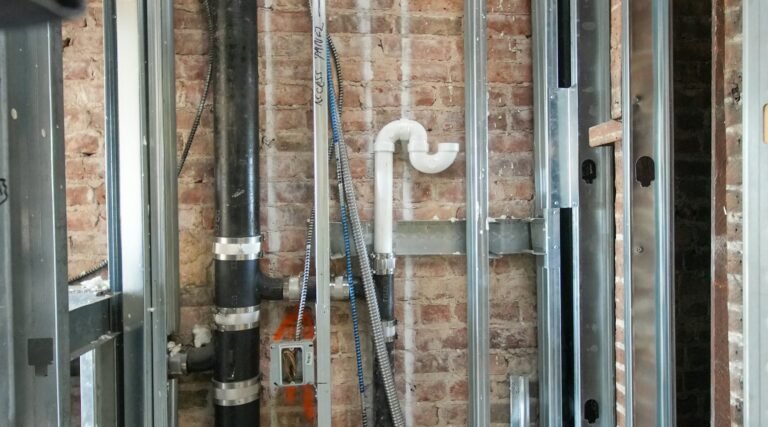
Thermal Imaging Leak Detection
Infrared scans that reveal hot-water and moisture patterns hidden behind finishes.
Learn more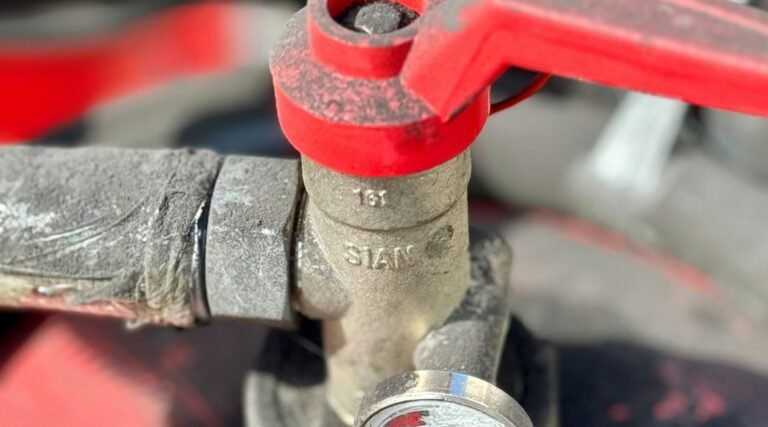
Acoustic Leak Detection
Ground microphones and listening gear that hear pressurized water escaping.
Learn more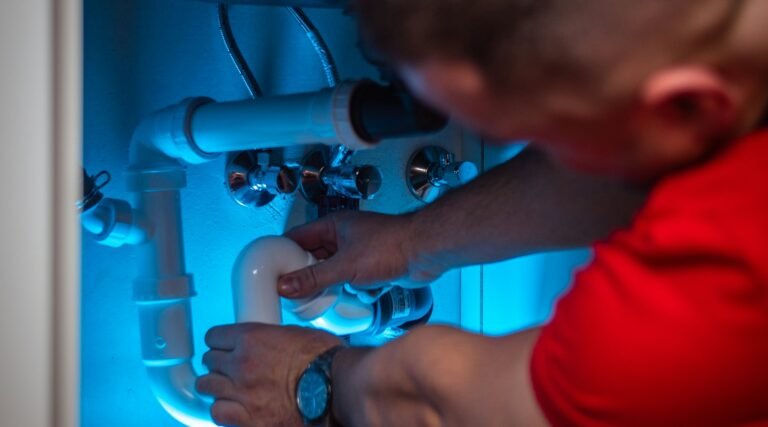
Pipe Leak Repair
Fix leaking copper, PEX and supply lines once the exact spot is confirmed.
Learn more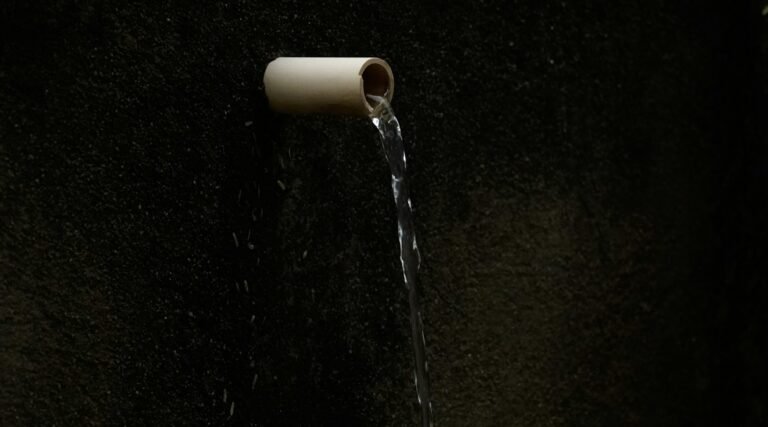
Emergency Leak Detection
24/7 leak response when water is actively spreading in your home or business.
Learn more
Slab Leak Detection
Find leaks under your concrete foundation with acoustic and thermal tools before you open a floor.
Learn more
High Water Bill Investigation
Track down the cause of a sudden jump in your water bill, from toilets to buried pipes.
Learn more
PEX Whole-House Repiping
Replace failing copper with PEX when pinhole leaks keep coming back.
Learn more