
Irrigation Leak Detection in Las Vegas, NV
In desert landscaping, a broken drip emitter or a valve that never closes can waste water on every cycle without leaving a puddle. We test valves, mainlines, laterals and drip tubing, find the leak and help you cut the water bill and the wasted runoff.
- Local leak specialists
- Same-day appointments
- Non-invasive testing
Find the Leak in Your Irrigation System
How do I find a leak in my irrigation system?
Watch the water meter when no zones are running. If it moves and the house plumbing is not leaking, check valves for water seeping between cycles, then walk each drip and spray zone for wet spots, washouts or overgrown plants. A pressure test on the mainline confirms buried leaks.
Most Las Vegas yards use drip irrigation under rock and mulch, which makes leaks hard to see. Water soaks straight into sandy soil, and the only clue may be one overgrown shrub or a meter that keeps moving between watering cycles. Our irrigation leak detection checks the whole system, from the backflow device to the last emitter.
Irrigation leaks are one of the top reasons behind a sudden high water bill, especially after summer watering schedules kick in. If the pressurized mainline is leaking underground, we trace it with underground leak detection methods, and if the problem turns out to be the home's main water line instead, we test that too.
- Valve and solenoid inspection
- Mainline pressure testing
- Drip tubing and emitter checks
- Backflow device and connection checks
 Desert yards
Signs of an Irrigation Leak
These clues usually show up long before you find standing water.
Meter moves between watering cycles
Water flowing when no zone is on points to a valve or mainline leak.
One zone always wet
A valve that does not shut fully keeps feeding one area.
Overgrown plants in one spot
Extra water makes certain shrubs or trees grow faster.
Low pressure in a zone
A broken lateral line drops pressure at the heads or emitters.
Washouts and sinkholes
Erosion under rock or pavers from a steady leak, which can also threaten a slab foundation.
Higher summer bills
Bills that climb more than your watering changes would explain.
Schedule a Irrigation Leak Check
Describe your system and symptoms, and we will explain the testing.
How We Find Irrigation Leaks
Meter check
We confirm flow with the system off and with each zone running.
Valve testing
Valves and solenoids are checked for leaks and sticking.
Line pressure test
The mainline is pressure tested and traced if needed.
Zone-by-zone review
Drip and spray zones are walked to find breaks.
Water-Saving Leak Detection for Desert Yards
Every gallon matters in Southern Nevada. Finding irrigation leaks quickly protects your landscaping, your foundation and your water bill.
Landscape-aware
We work carefully around rock, mulch and plants.
Whole-system check
From backflow to emitter.
Clear findings
Clear findings and next steps.
Fast service
Visits available across the valley.
Irrigation Leak Detection FAQ
How do I know if my irrigation system is leaking?
Watch the water meter when no zones are running. If it moves, and the house plumbing is not leaking, the irrigation system is a likely source.
Can a drip system leak without showing water?
Yes. Desert soil absorbs water quickly, so drip leaks often leave no visible puddle. The Southern Nevada Water Authority also publishes seasonal watering schedules worth following.
Why does my sprinkler valve keep leaking?
Debris, worn diaphragms or faulty solenoids can stop a valve from closing completely.
Can irrigation leaks damage my foundation?
Yes. Constant water near the foundation can soften soil and contribute to settling.
Do you repair irrigation leaks?
We locate the leak and can recommend or arrange the repair, including water line repair for damaged mainlines.
Leak Detection & Repair Services

High Water Bill Investigation
Track down the cause of a sudden jump in your water bill, from toilets to buried pipes.
Learn more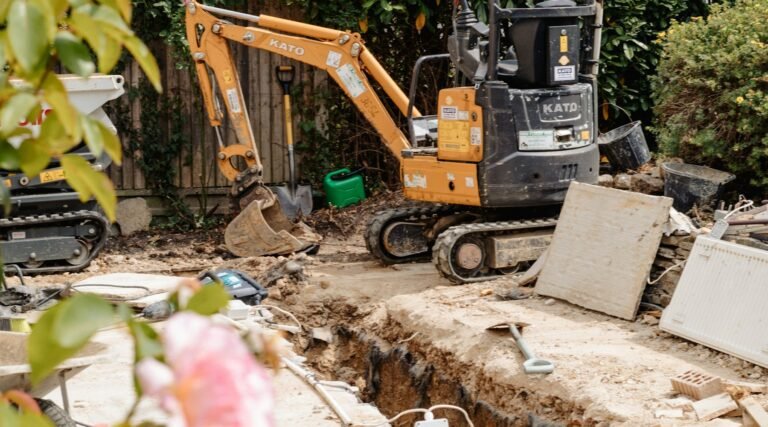
Underground Leak Detection
Trace leaks in buried lines between the meter, house, yard and pool equipment.
Learn more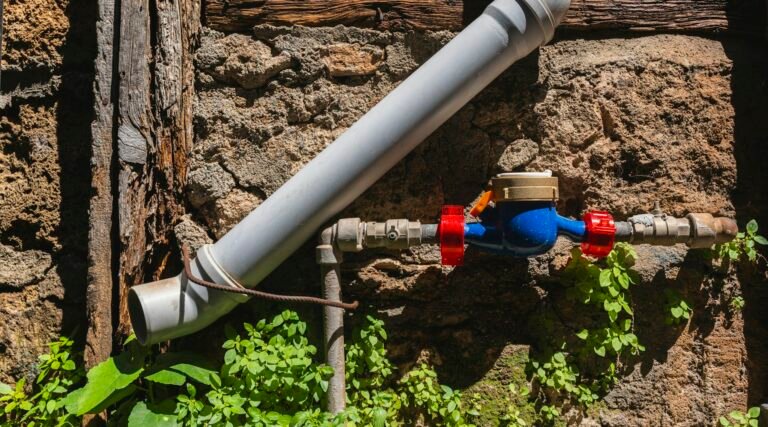
Water Line Leak Detection
Locate leaks on the main service line from the water meter to your home.
Learn more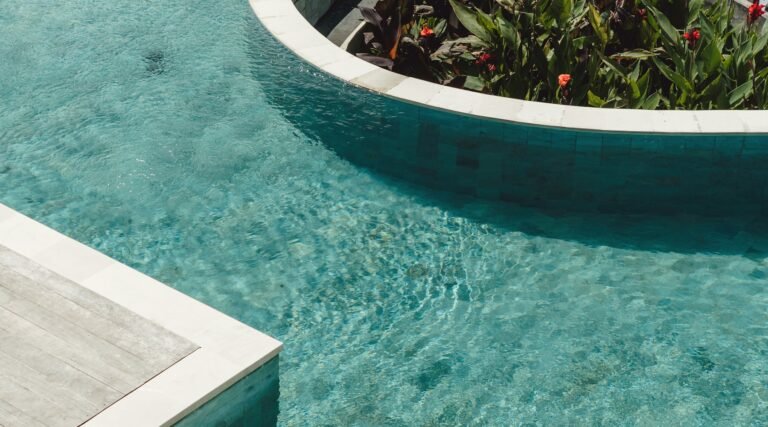
Pool Leak Detection
Dye, pressure and electronic testing for pool shells, lights, skimmers and plumbing.
Learn more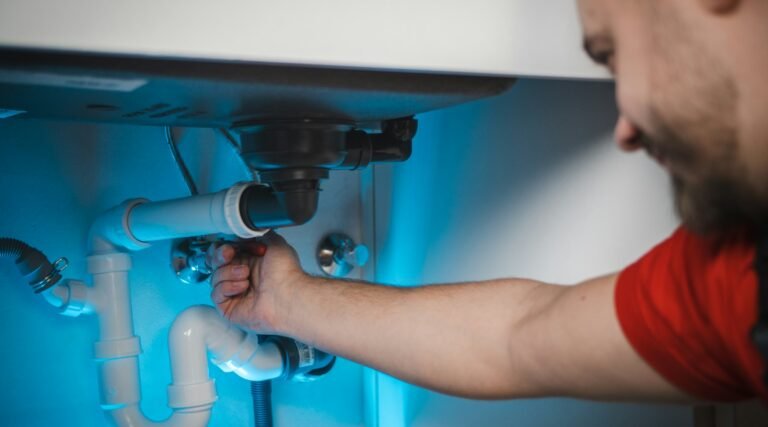
Water Leak Detection
Pinpoint hidden supply-line leaks inside walls, floors and ceilings without guesswork.
Learn more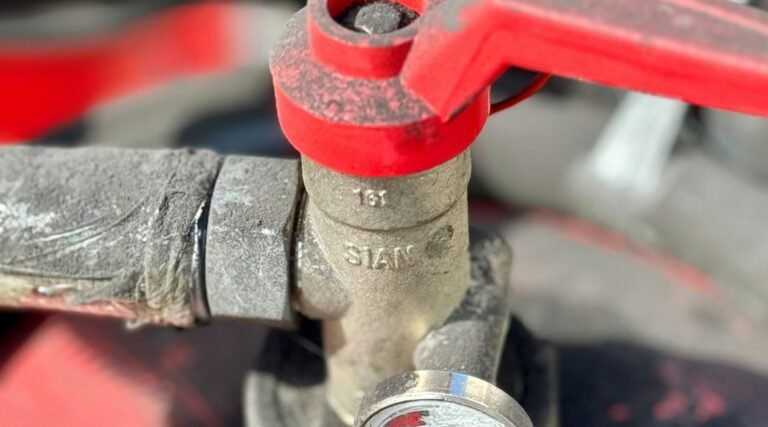
Acoustic Leak Detection
Ground microphones and listening gear that hear pressurized water escaping.
Learn more
Slab Leak Detection
Find leaks under your concrete foundation with acoustic and thermal tools before you open a floor.
Learn more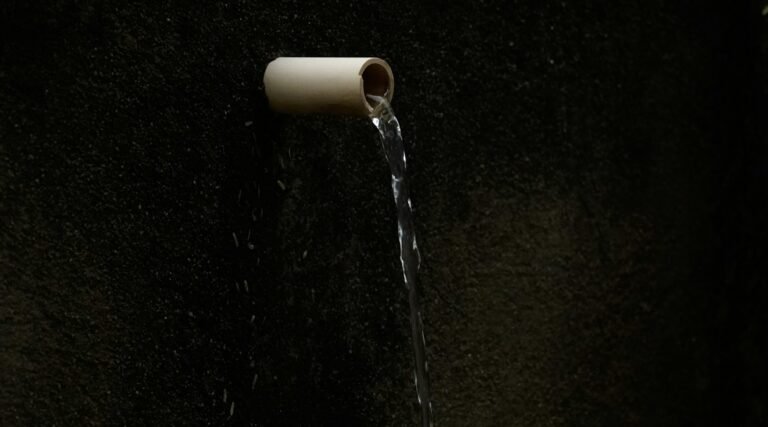
Emergency Leak Detection
24/7 leak response when water is actively spreading in your home or business.
Learn more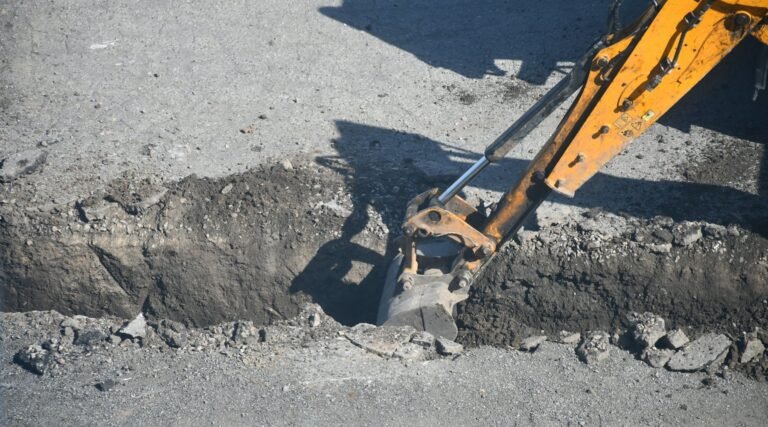
Water Line Repair
Repair or replace a leaking main water line from the meter to the house.
Learn more