
Spa & Hot Tub Leak Detection in Las Vegas
A hot tub that needs topping off every few days, or a damp cabinet under a portable spa, usually means a leaking union, jet body or heater fitting. We test built-in spas and portable hot tubs alike, isolate each component and find the leak so you can soak without refilling.
- Local leak specialists
- Same-day appointments
- Non-invasive testing
Tracking Down Spa and Hot Tub Leaks
Why does my hot tub keep losing water?
Steady water loss in a spa or hot tub usually comes from leaking pump or heater unions, worn jet gaskets, a cracked heater manifold or a drain valve that does not seal. Testing the equipment, shell and plumbing separately shows which part is leaking.
Spas run hotter and at higher pressure than pools, which is hard on gaskets, unions and jet fittings. In a Las Vegas backyard, sun and heat speed up that wear. Our spa leak detection covers both in-ground spas attached to pools and portable hot tubs with internal plumbing, using thermal imaging to spot warm water escaping around heater lines.
For built-in spas, we test the shell, spillover, jets and the plumbing shared with the pool, often alongside pool leak detection so both bodies of water are covered in one visit. Portable tubs get a component-by-component check of pumps, heaters and unions. If the water loss is also showing up on your bill, our high water bill investigation can confirm whether the spa is the only source.
- Shell, jet and spillover dye testing
- Pressure testing of spa plumbing
- Pump, heater and union inspection
- Portable hot tub cabinet checks
 Backyard spas
Where Spas and Hot Tubs Usually Leak
Most spa leaks come from a short list of parts that take the most heat and pressure.
Pump and heater unions
Loose or cracked unions drip inside the cabinet or at the equipment pad, sometimes near an underground line leak.
Jet bodies and gaskets
Worn gaskets let water seep behind the shell.
Heater manifolds
Heat cycling can crack heater fittings over time.
Spillover and shared lines
Built-in spas can leak where they connect to the pool plumbing.
Drain valves
Drain plugs and valves that do not seal fully.
Shell cracks
Hairline cracks in acrylic or plaster from heat and settling.
Talk to a Specialist About Spa Leak Detection
Tell us how fast the water drops and what type of spa you have, and we will explain the visit.
How We Find a Spa Leak
Measure water loss
We compare loss with jets on and off to narrow the search.
Inspect equipment
Pumps, heaters and unions are checked for drips.
Test the shell
Dye testing around jets, lights and fittings.
Pressure test lines
Buried or internal plumbing is isolated and tested, using acoustic equipment for underground lines.
Spa Leaks Found Fast
A leaking spa wastes heated water and chemicals. We focus on the parts most likely to fail so the visit is efficient and the answer is clear.
Spa-specific experience
Built-in and portable hot tubs.
Component testing
Each part checked, not just the obvious.
Fair advice
Clear findings before any repair.
Quick scheduling
Appointments across the valley.
Spa & Hot Tub Leak FAQ
Why is my hot tub losing water?
Evaporation accounts for some loss, but steady drops usually come from leaking unions, jets, heater fittings or drain valves.
Can you find leaks in a portable hot tub?
Yes. We open the cabinet and test pumps, heaters, unions and internal plumbing.
Do you test spas attached to pools?
Yes. Built-in spas are tested together with the pool, including the spillover and shared lines.
Is a leaking spa expensive to fix?
Many spa leaks are simple fixes such as unions or gaskets. Finding the exact source keeps the repair small. Check your water loss first with our leak calculator.
How do I know it is not just evaporation?
If the water level drops faster with the jets off and the cover on, it is very likely a leak.
Leak Detection & Repair Services
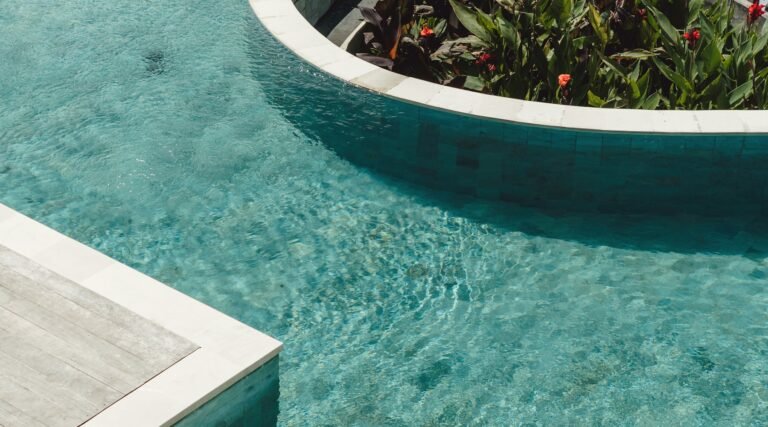
Pool Leak Detection
Dye, pressure and electronic testing for pool shells, lights, skimmers and plumbing.
Learn more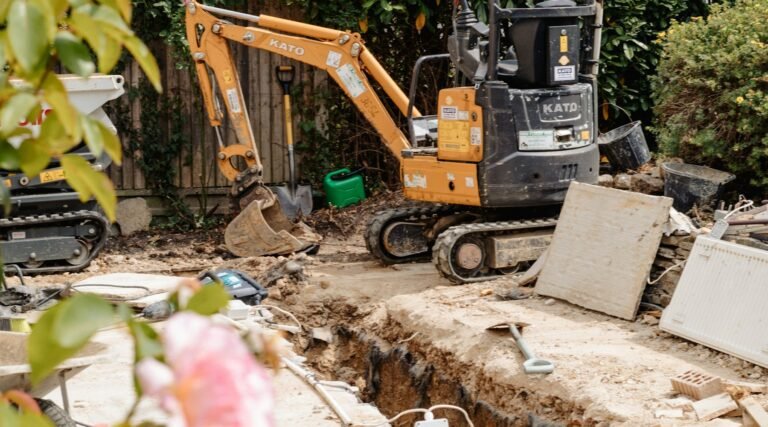
Underground Leak Detection
Trace leaks in buried lines between the meter, house, yard and pool equipment.
Learn more
High Water Bill Investigation
Track down the cause of a sudden jump in your water bill, from toilets to buried pipes.
Learn more
Acoustic Leak Detection
Ground microphones and listening gear that hear pressurized water escaping.
Learn more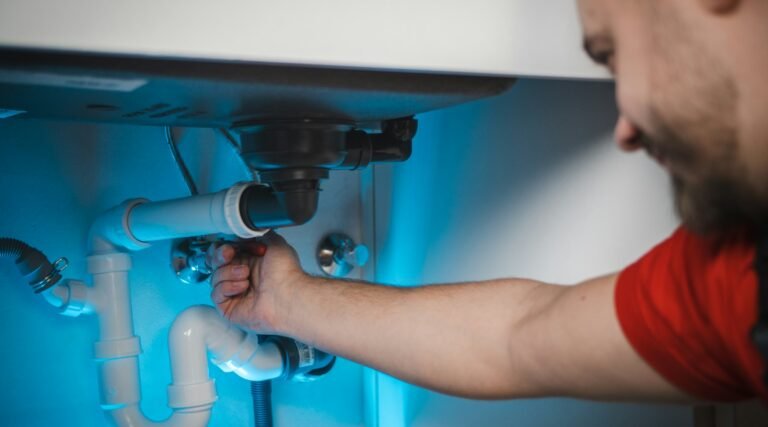
Water Leak Detection
Pinpoint hidden supply-line leaks inside walls, floors and ceilings without guesswork.
Learn more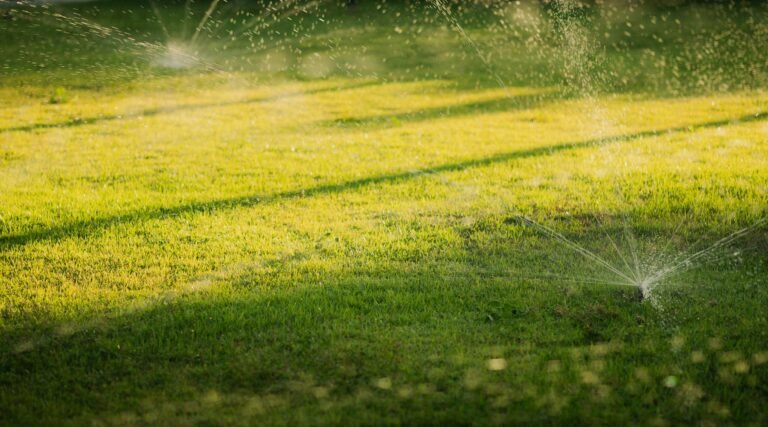
Irrigation Leak Detection
Find wasted water in drip lines, valves and sprinkler laterals in desert landscaping.
Learn more
Emergency Leak Detection
24/7 leak response when water is actively spreading in your home or business.
Learn more
Commercial Leak Detection
Leak detection for offices, restaurants, HOAs, apartments and retail spaces.
Learn more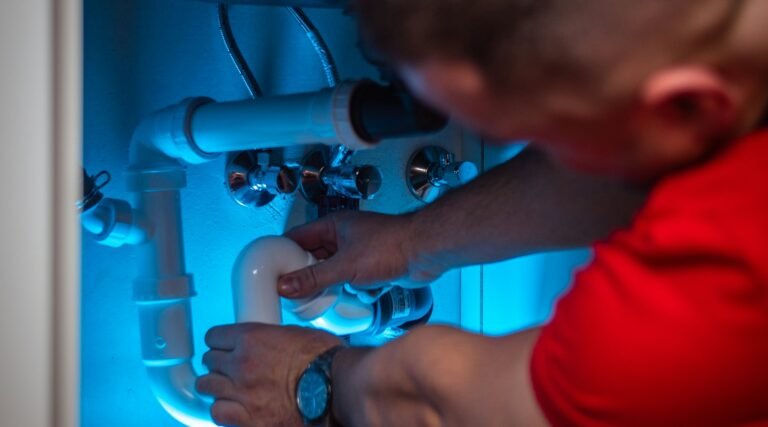
Pipe Leak Repair
Fix leaking copper, PEX and supply lines once the exact spot is confirmed.
Learn more