
Slab Leak Detection in Las Vegas, NV
A warm spot on the tile, a cracked baseboard or a meter that never stops can mean a pipe is leaking under your foundation. We trace hot and cold lines beneath the slab and mark the leak on the floor before a single tile is lifted, anywhere in Las Vegas and Henderson.
- Local leak specialists
- Same-day appointments
- Non-invasive testing
Pinpointing Slab Leaks Before the Concrete Is Opened
What is a slab leak and how is it found?
A slab leak is a leak in a water line running through or under a concrete foundation. It is found by confirming water loss at the meter, isolating the hot and cold lines, tracing the pipe route and pinpointing the leak with acoustic and thermal tools, then marking the spot on the floor.
Most Las Vegas homes are built on a concrete slab with water lines running through or under it. When one of those lines develops a pinhole, the water has nowhere visible to go, so it soaks the soil, warms the floor or slowly lifts flooring. Our slab leak detection in Las Vegas finds that hidden point so the repair can be planned around one small area.
We often confirm hot-water slab leaks with thermal imaging, then refine the location with acoustic leak detection that listens for water escaping through the concrete. Once the leak is marked, we walk you through slab leak repair options, including a direct spot repair or a reroute that avoids breaking the floor at all.
- Separate testing of hot and cold slab lines
- Thermal scans for warm floor patterns
- Ground microphones to pinpoint the leak
- Leak location marked directly on your floor
 Concrete slab homes
Signs of a Slab Leak in Las Vegas
Slab leaks usually develop slowly. The earlier you catch these signs, the less damage reaches flooring, drywall and the foundation itself.
Warm or hot spots on the floor
A hot-water line leaking under the slab heats the tile or wood above it.
Water meter moving with no use
Water is escaping somewhere even though every fixture is turned off, often showing up as a higher water bill.
Damp carpet or lifting flooring
Moisture wicking up through the slab swells wood floors and loosens tile.
Cracks in walls or flooring
Saturated soil can shift under the foundation and create new cracks.
Sound of running water
You may hear water moving in the floor when the house is quiet.
Low water pressure
A large leak can reduce pressure at faucets and showers throughout the house.
Why Slab Leaks Happen So Often in Las Vegas
Our water carries high levels of calcium and magnesium, which slowly wear copper lines from the inside. Copper buried in concrete also rubs against rebar and gravel as the slab expands in summer heat and contracts on cold desert nights. Over time that movement, combined with high water pressure and corrosive caliche soil, opens pinhole leaks.
Homes built from the 1980s through the early 2000s are the most common source of slab leaks we see, especially where the original copper was never replaced. If you have had more than one slab leak, it may be time to look at repiping the home with PEX rather than patching each failure.
Book a Slab Leak Check
Get a straightforward explanation of slab leak testing and what happens next.
How We Find a Slab Leak
Meter confirmation
We confirm water loss and record the flow rate with all fixtures off.
Hot or cold line?
Each line is isolated and pressure tested to identify the leaking side.
Trace the pipe route
We map where the line runs beneath the slab using electronic line tracing.
Pinpoint and mark
Acoustic and thermal readings narrow the leak to a small marked spot.
Slab Leak Detection Without the Guesswork
Opening a concrete floor in the wrong place is expensive and disruptive. We locate the leak precisely first so any opening is as small as possible, or avoided entirely with a reroute.
Slab specialists
Experience with the slab foundations common across the valley.
Thermal and acoustic tools
Two methods working together for a confident location.
Clear next steps
Clear findings and next steps.
Insurance-ready reports
Photos and written findings to support your claim.
Slab Leak Detection FAQ
How do you detect a slab leak?
We confirm the leak at the meter, isolate the hot and cold lines, trace the pipe path under the slab, then use acoustic listening and thermal imaging to pinpoint the exact spot.
Do you have to break the floor to find a slab leak?
No. Detection is non-invasive. The floor is only opened, if at all, for the repair, and only at the marked location.
Is a slab leak dangerous for my foundation?
Left alone, a slab leak can saturate the soil, erode support beneath the slab and lead to cracking. It is best to locate it early, and if water is surfacing through the floor, call our 24/7 emergency line.
How long does slab leak detection take?
It depends on the home size and how many lines need testing, but most slab leaks are located in a single visit. You can check for a leak first with our water leak calculator.
Does insurance cover slab leaks?
Many policies cover the cost to locate and access the leak and the resulting water damage. The pipe repair itself may not be covered. Our written report helps with the claim.
Leak Detection & Repair Services

Slab Leak Repair
Repair options after the slab leak is found: spot repair, reroute or repipe.
Learn more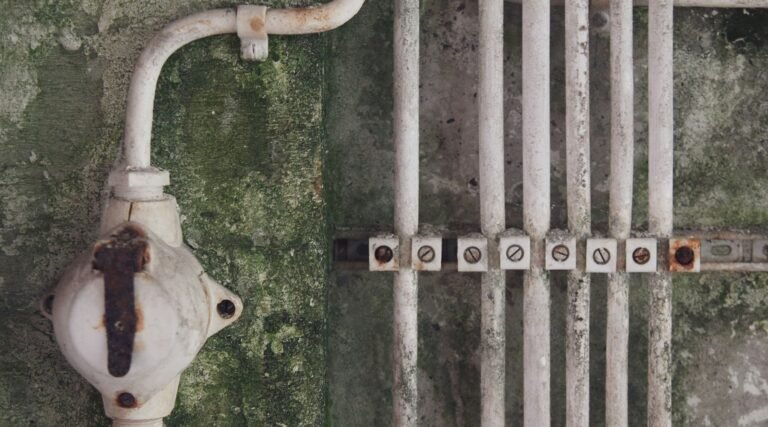
PEX Whole-House Repiping
Replace failing copper with PEX when pinhole leaks keep coming back.
Learn more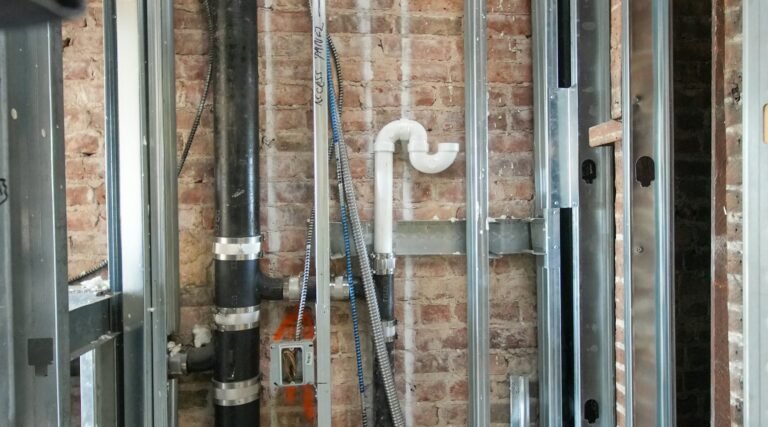
Thermal Imaging Leak Detection
Infrared scans that reveal hot-water and moisture patterns hidden behind finishes.
Learn more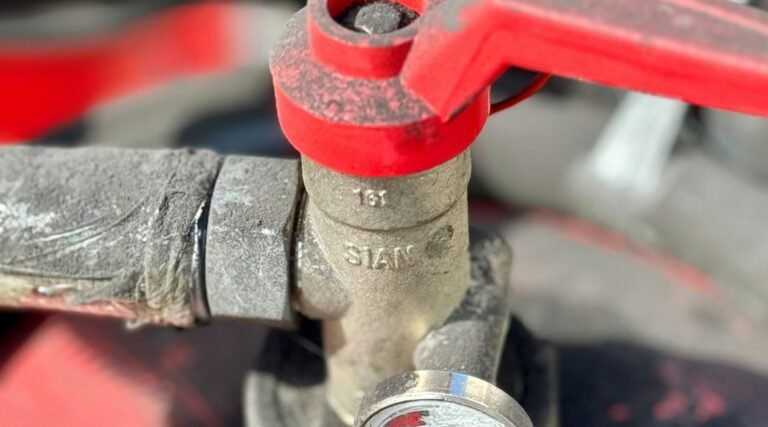
Acoustic Leak Detection
Ground microphones and listening gear that hear pressurized water escaping.
Learn more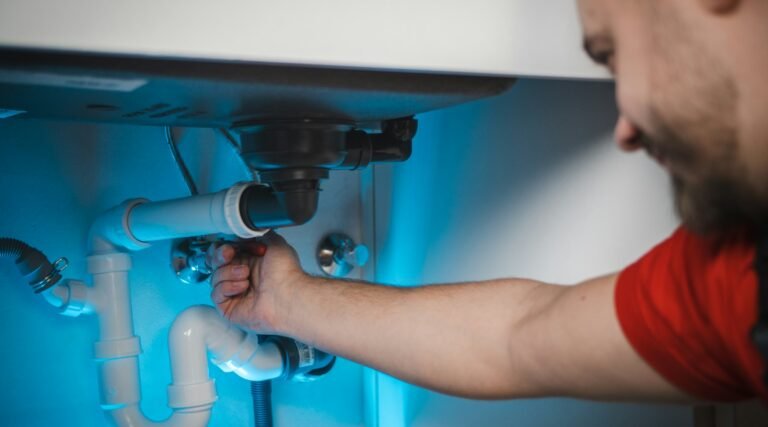
Water Leak Detection
Pinpoint hidden supply-line leaks inside walls, floors and ceilings without guesswork.
Learn more
High Water Bill Investigation
Track down the cause of a sudden jump in your water bill, from toilets to buried pipes.
Learn more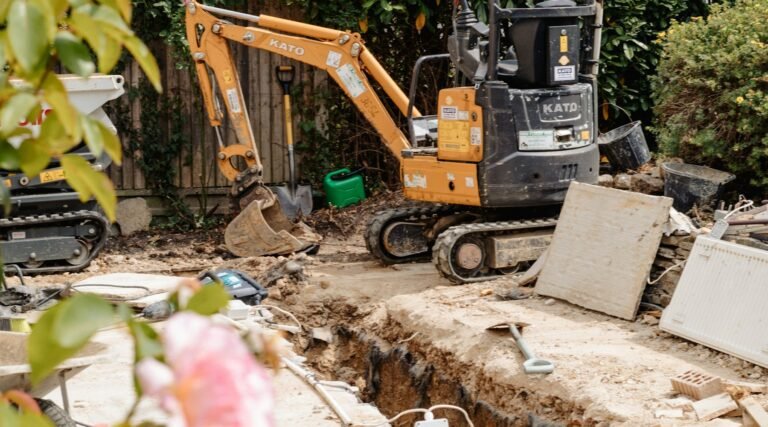
Underground Leak Detection
Trace leaks in buried lines between the meter, house, yard and pool equipment.
Learn more
Emergency Leak Detection
24/7 leak response when water is actively spreading in your home or business.
Learn more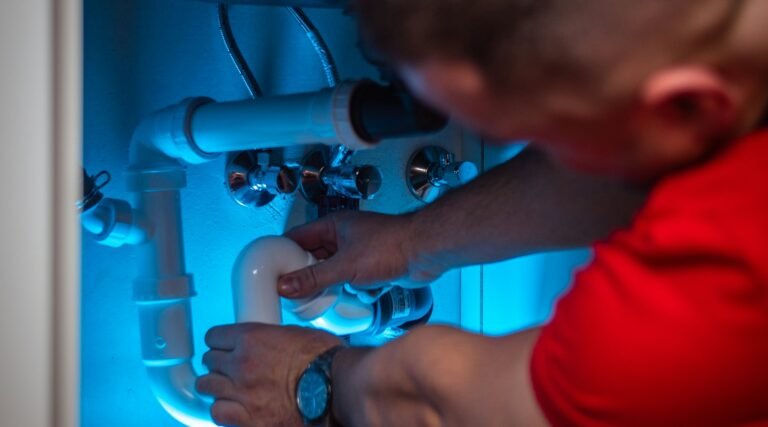
Pipe Leak Repair
Fix leaking copper, PEX and supply lines once the exact spot is confirmed.
Learn more