
Shower Leak Detection in Las Vegas, NV
Loose tile, a musty smell or a stain on the ceiling below the bathroom often comes from a shower that leaks only while it is being used. We test the pan, drain, valve and supply lines separately, so you know whether the fix is grout, a drain gasket or a pipe in the wall.
- Local leak specialists
- Same-day appointments
- Non-invasive testing
Finding the Real Source of a Shower Leak
How can I tell if my shower is leaking?
Signs include a stain on the ceiling below the bathroom, loose or cracked tile, damp flooring outside the shower and a lingering musty smell. Testing the shower pan, drain, valve and supply lines separately shows which part is leaking, so you can repair the right component.
Shower leaks are tricky because they often happen only when water is running, and the damage shows up somewhere else: a ceiling below, a baseboard in the next room or a soft floor outside the door. Our shower leak detection separates the four common sources so the repair targets the right part.
We flood test the pan, check the drain connection, pressure test the valve and supply lines, and scan the surrounding walls with moisture meters. Leaks inside the wall behind the valve are traced with water leak detection tools, and damage that has spread across a ceiling is mapped with thermal imaging before any drywall comes down. If the same wall has failed before, ask us about repairing the supply lines properly rather than patching.
- Shower pan flood test
- Drain and gasket testing
- Valve and supply line pressure test
- Moisture mapping of nearby walls and ceilings
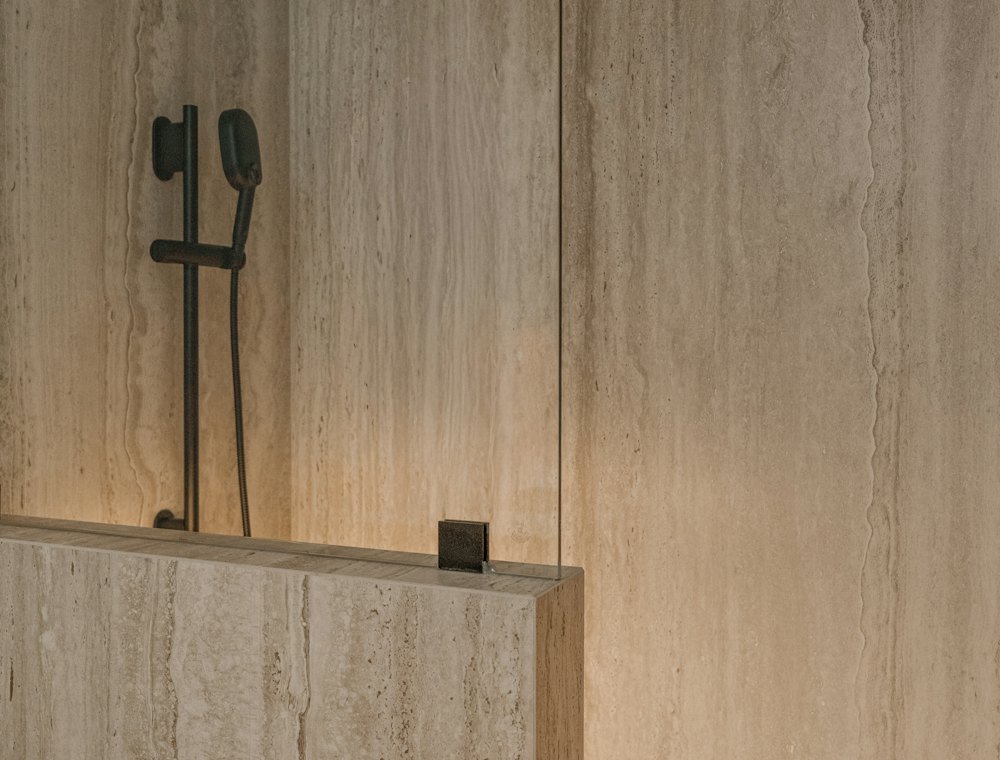 Bathroom leaks
Signs Your Shower Is Leaking
Shower leaks can soak framing and subfloor for months. Look for these signs.
Ceiling stain below the bathroom
Water from an upstairs shower shows up on the ceiling below; see wall and ceiling leak detection.
Loose or cracked tile
Moisture behind tile weakens the adhesive and grout.
Musty smell or mildew
Persistent odour even after cleaning the shower.
Damp baseboards or flooring
Water travelling under the threshold into nearby rooms.
Peeling paint outside the shower
Moisture moving through the wall behind the fixtures.
Dripping valve or shower head
A valve that keeps dripping may also leak inside the wall, and repeated failures can point to aging pipes.
Talk to a Specialist About Shower Leak Detection
Tell us what you are seeing around the bathroom and we will explain the testing involved.
How We Test a Leaking Shower
Inspect and measure
Moisture readings around the shower and the rooms nearby.
Pan flood test
The pan is filled and monitored for water loss.
Drain and valve test
Drain connection and valve are tested separately.
Report the source
You get a clear answer on which part is leaking.
Pinpoint the Part, Fix It Once
Regrouting a shower that actually has a leaking valve wastes money. Testing each part separately means you fix the real problem the first time.
Bathroom leak experience
Pans, drains, valves and supply lines.
Separate component tests
No guessing which part failed.
Moisture documentation
Readings and photos for your records.
Clear next steps
Clear findings and next steps.
Shower Leak Detection FAQ
How do I know if my shower pan is leaking?
Stains on the ceiling below, damp flooring outside the shower and loose tile are common signs. A flood test confirms it.
Can a shower leak only when in use?
Yes. Drain, pan and grout leaks usually appear only when water is running, while supply line leaks can drip constantly.
Is a leaking shower an emergency?
It is rarely an emergency, but ongoing leaks damage framing and subfloor, so it should be tested soon.
Will I need to remove tile?
Not for testing. Once the leak source is known, the repair may require some tile work depending on what failed.
Can you test a second-floor shower?
Yes. Upstairs showers leaking into ceilings below are one of our most common calls.
Leak Detection & Repair Services

Wall & Ceiling Leak Detection
Locate the source of stains, bubbling paint and drips in walls and ceilings.
Learn more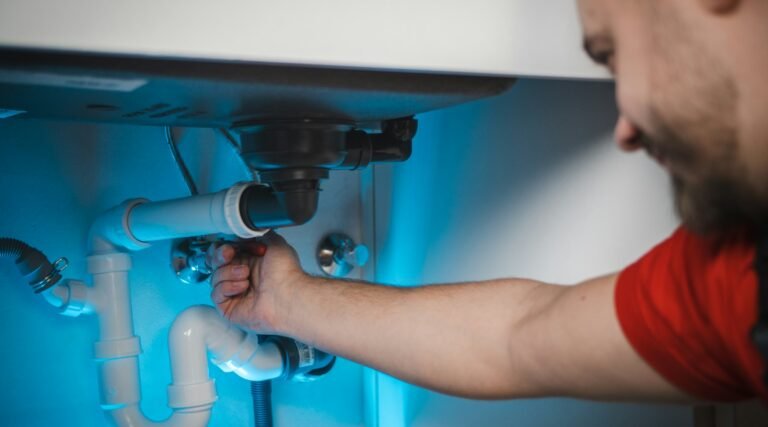
Water Leak Detection
Pinpoint hidden supply-line leaks inside walls, floors and ceilings without guesswork.
Learn more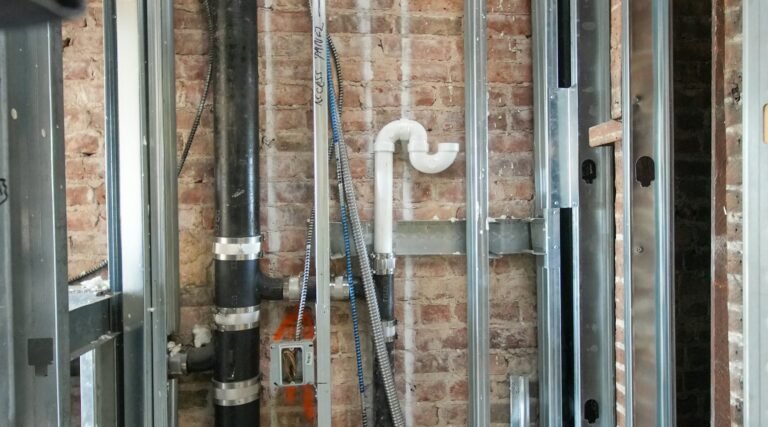
Thermal Imaging Leak Detection
Infrared scans that reveal hot-water and moisture patterns hidden behind finishes.
Learn more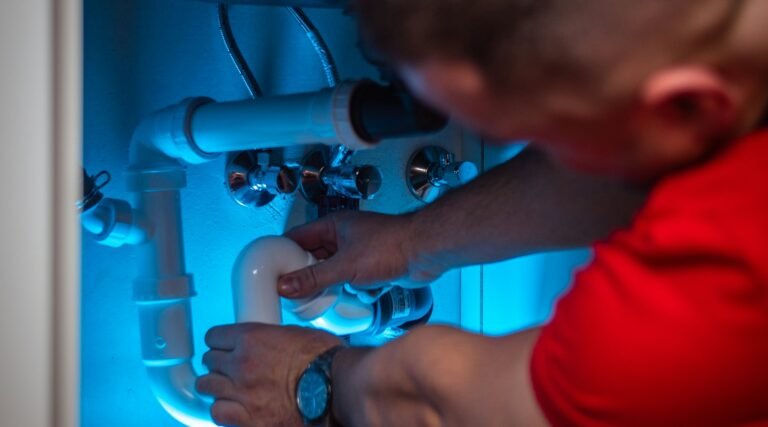
Pipe Leak Repair
Fix leaking copper, PEX and supply lines once the exact spot is confirmed.
Learn more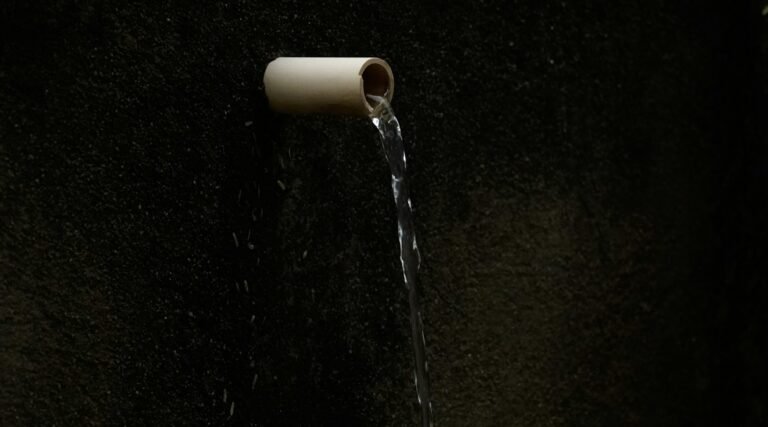
Emergency Leak Detection
24/7 leak response when water is actively spreading in your home or business.
Learn more
Slab Leak Detection
Find leaks under your concrete foundation with acoustic and thermal tools before you open a floor.
Learn more
High Water Bill Investigation
Track down the cause of a sudden jump in your water bill, from toilets to buried pipes.
Learn more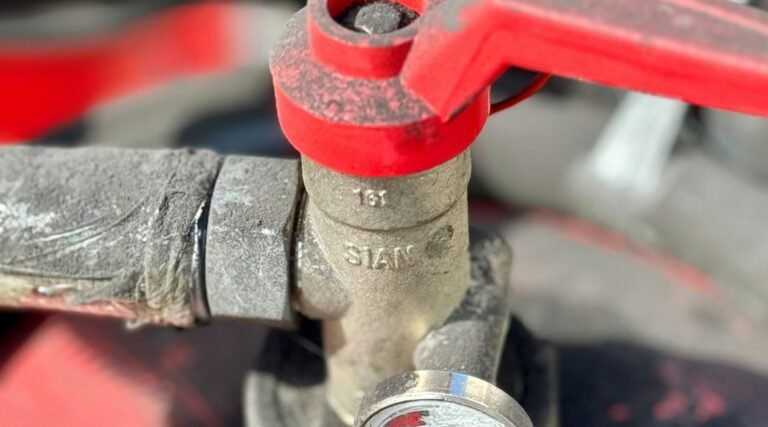
Acoustic Leak Detection
Ground microphones and listening gear that hear pressurized water escaping.
Learn more
PEX Whole-House Repiping
Replace failing copper with PEX when pinhole leaks keep coming back.
Learn more