
Thermal Imaging Leak Detection in Las Vegas
Hot-water leaks leave a heat signature, and wet drywall cools as it dries. Our infrared cameras show those temperature patterns through tile, drywall and ceilings, helping us trace slab and in-wall leaks without cutting first, for homes and businesses across Las Vegas.
- Local leak specialists
- Same-day appointments
- Non-invasive testing
How Thermal Imaging Reveals Hidden Leaks
Can a thermal camera find water leaks?
Yes, indirectly. A thermal camera shows temperature differences, so leaking hot-water lines appear as warm patterns and wet drywall appears cooler than dry areas. It is best used together with acoustic testing, which confirms the exact location before any wall or floor is opened.
An infrared camera does not see water directly. It sees temperature, and leaks change temperature. A hot-water pipe leaking under the slab warms the floor above it, while moisture in drywall shows as a cooler area that stands out from dry framing. With thermal imaging leak detection, we can follow those patterns back toward their source.
Thermal scanning is especially useful for hot-water slab leaks and for mapping how far water has spread behind a wall or ceiling stain. Because heat patterns can be affected by sunlight and HVAC airflow, we always confirm the finding with a second method such as acoustic listening before marking the spot.
- Professional infrared cameras
- Floor scans for hot-water slab leaks
- Moisture mapping behind walls and ceilings
- Thermal images included in your report
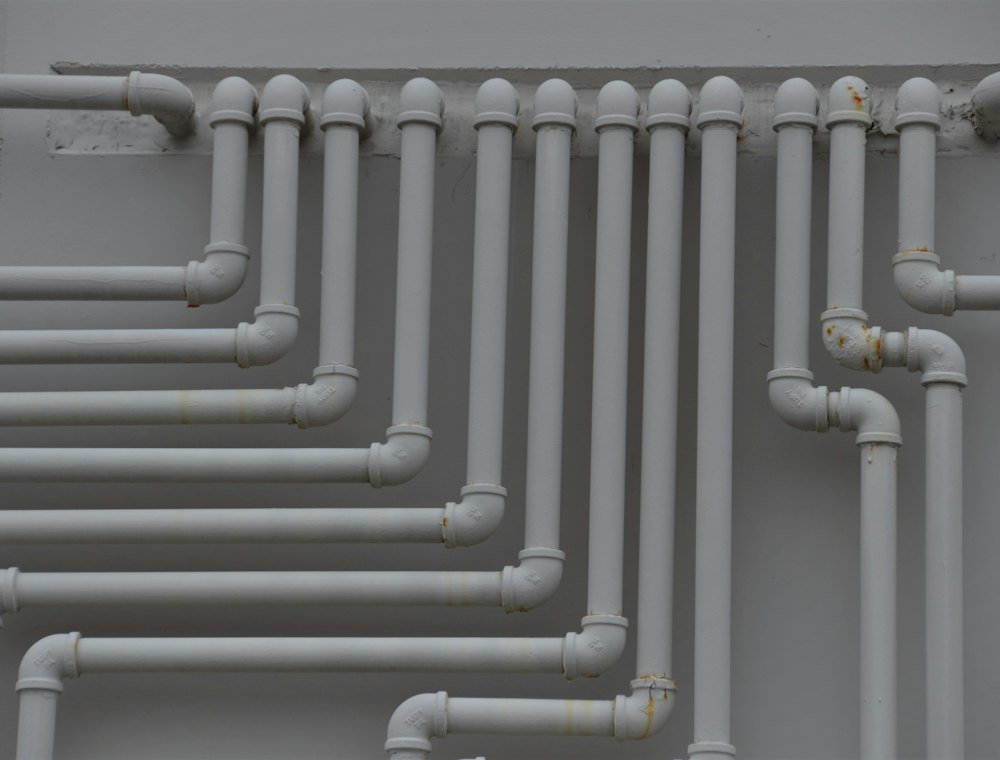 Infrared scanning
When Thermal Imaging Works Best
Infrared is a powerful tool when used for the right job. These are the situations where it adds the most value.
Hot-water slab leaks
Warm floor patterns lead us straight to the leaking line.
Ceiling stains below bathrooms
Scans show the wet area and help locate the source above, often a leaking shower.
Radiant and recirculation lines
Heated lines show clearly, making leaks easier to trace.
Insurance documentation
Thermal images record the extent of moisture before repairs.
Mapping water spread
See how far water has travelled before drywall is removed.
Commercial buildings
Large floor and wall areas in commercial properties can be scanned quickly with minimal disruption.
Talk to a Specialist About Thermal Leak Scan
Tell us about the warm spot, stain or damp area and we will explain the scan.
How a Thermal Leak Scan Works
Set conditions
We run hot water or adjust HVAC so leak patterns show clearly.
Infrared scan
Floors, walls and ceilings are scanned for temperature differences.
Confirm the source
Acoustic and moisture readings verify what the camera shows.
Report with images
You receive thermal images and the marked leak location.
Infrared Scans Backed by Experience
A thermal camera is only as good as the person reading it. We know how Las Vegas homes are built and how sun, AC and slab heat can mislead a scan.
Professional cameras
High-resolution infrared equipment.
Second-method confirmation
We verify before marking any spot.
Visual proof
Thermal images you can share with your insurer.
No demolition
Scanning is completely non-invasive.
Thermal Imaging Leak Detection FAQ
Can a thermal camera see water leaks through walls?
It detects temperature differences caused by leaking hot water or evaporating moisture, which helps locate leaks behind walls and floors.
Does thermal imaging work for cold-water leaks?
It can, by showing cooler wet areas, but cold-water leaks are usually confirmed with acoustic equipment as well.
Is thermal leak detection accurate?
It is very effective when combined with other methods. We always confirm infrared findings before marking a repair location.
Is thermal imaging safe?
Yes. The camera only reads heat. Nothing is emitted, opened or damaged.
How long does a thermal scan take?
Most homes can be scanned within a single visit as part of the overall leak detection process.
Leak Detection & Repair Services
Slab Leak Detection
Find leaks under your concrete foundation with acoustic and thermal tools before you open a floor.
Learn more
Acoustic Leak Detection
Ground microphones and listening gear that hear pressurized water escaping.
Learn more
Wall & Ceiling Leak Detection
Locate the source of stains, bubbling paint and drips in walls and ceilings.
Learn more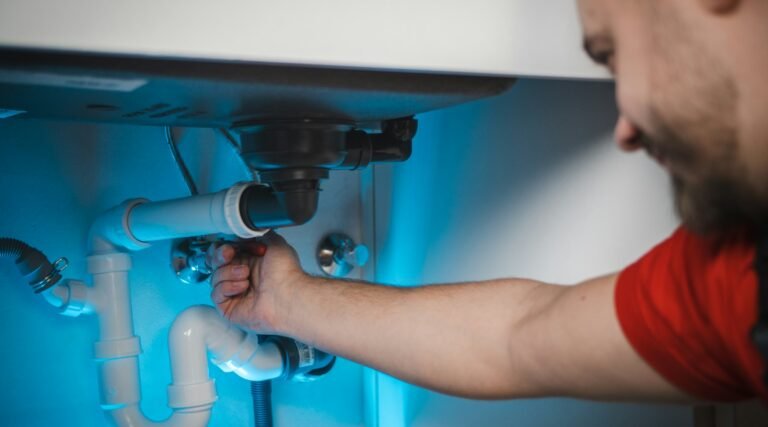
Water Leak Detection
Pinpoint hidden supply-line leaks inside walls, floors and ceilings without guesswork.
Learn more
Shower Leak Detection
Test shower pans, valves and drains that leak into subfloors and neighbouring rooms.
Learn more
Commercial Leak Detection
Leak detection for offices, restaurants, HOAs, apartments and retail spaces.
Learn more
High Water Bill Investigation
Track down the cause of a sudden jump in your water bill, from toilets to buried pipes.
Learn more
Emergency Leak Detection
24/7 leak response when water is actively spreading in your home or business.
Learn more
Slab Leak Repair
Repair options after the slab leak is found: spot repair, reroute or repipe.
Learn more