
Apartment & Condo Leak Detection in Las Vegas
Water dripping into the unit below, a stain on a shared wall or a riser that will not stop sweating: multi-unit leaks raise the question of whose leak it is. We trace the water to its source across Las Vegas apartments, condos and townhomes so owners, tenants and managers get a clear answer.
- Local leak specialists
- Same-day appointments
- Non-invasive testing
Tracing Leaks Between Units
How do you find which unit a leak is coming from?
Specialists test the fixtures and supply lines in the unit above or beside the damage, check shared risers and drains, and use moisture mapping and thermal imaging to follow the water path. Pressure and flood tests then confirm which line or fixture is leaking.
In apartments and condos, water rarely shows up where the leak starts. It travels along floor framing, risers and shared walls before appearing in a neighbouring unit. Our apartment and condo leak detection follows that path back to the source so the right party can fix it.
Second-floor bathrooms are the most common culprit, which is why many jobs include shower leak detection. Stains that spread across ceilings are mapped with wall and ceiling leak detection, and ground-floor units in older complexes may need slab leak detection when the leak is under the foundation.
- Unit-to-unit leak tracing
- Shared riser and drain testing
- Moisture and thermal mapping
- Findings for owners, tenants and managers
 Multi-unit buildings
Where Multi-Unit Leaks Usually Start
These are the sources we find most often in Las Vegas apartments and condos.
Upstairs showers and tubs
Pan, drain and valve leaks soak into the ceiling below.
Toilet seals and supply lines
Wax rings and braided lines leak into floors between units.
Shared risers
Vertical supply and drain lines serve several units at once.
Water heater closets
Heaters on upper floors can leak into units below; see burst pipe repair for failed connectors.
Talk to a Specialist About a Unit Leak
Tell us which units are affected and what you are seeing, and we will explain how the testing works.
How We Trace a Multi-Unit Leak
Map the damage
Moisture readings show where water has spread.
Test the unit above
Fixtures, drains and supply lines are checked one by one.
Check shared lines
Risers and common drains are tested if needed.
Confirm and report
Source confirmed with photos and written findings.
Neutral, Documented Findings
When two owners or a tenant and a manager disagree, documented facts matter. We test methodically and record what we find so everyone sees the same evidence.
Methodical tracing
Step-by-step testing across units.
Photo documentation
Findings everyone can review.
Coordinated access
We schedule around tenants and owners.
Multi-unit experience
Apartments, condos and townhomes.
Apartment & Condo Leak FAQ
Who pays for a leak between condo units?
It usually depends on where the leak starts and your HOA documents. Our findings show the source so the right party can be identified.
Do you need access to both units?
Usually yes. Testing the unit above or beside the damage is the fastest way to find the source.
Can you find a leak in a shared riser?
Yes. Risers and shared drains can be tested and inspected as part of the visit.
Do you work with property managers?
Yes. See our HOA and property manager page for how we support managed properties.
Leak Detection & Repair Services

HOA & Property Manager Leak Detection
Leak detection for HOAs, property managers and common areas, with reports for boards and owners.
Learn more
Shower Leak Detection
Test shower pans, valves and drains that leak into subfloors and neighbouring rooms.
Learn more
Wall & Ceiling Leak Detection
Locate the source of stains, bubbling paint and drips in walls and ceilings.
Learn more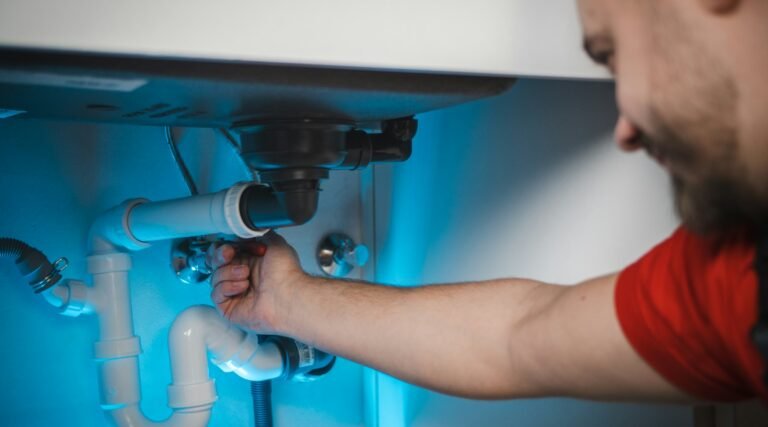
Water Leak Detection
Pinpoint hidden supply-line leaks inside walls, floors and ceilings without guesswork.
Learn more
Burst Pipe Repair
Fast repair of burst and split pipes plus guidance to limit water damage.
Learn more
Leak Detection for Insurance Claims
Documented leak location, photos and written findings to support insurance claims.
Learn more
Commercial Leak Detection
Leak detection for offices, restaurants, HOAs, apartments and retail spaces.
Learn more
Emergency Leak Detection
24/7 leak response when water is actively spreading in your home or business.
Learn more
Pipe Leak Repair
Fix leaking copper, PEX and supply lines once the exact spot is confirmed.
Learn more