
Whole-House PEX Repiping in Las Vegas
Third slab leak this year, or blue-green stains around every copper fitting? Patching aging pipe again and again rarely solves the problem. We repipe Las Vegas homes with flexible PEX through walls and attic, keep drywall cuts small and end the cycle of pinhole leaks for good.
- Local leak specialists
- Same-day appointments
- Non-invasive testing
When Repiping Makes More Sense Than Repairs
When should a house be repiped?
Repiping is worth considering after two or more slab or pinhole leaks, when copper shows widespread corrosion, when water pressure keeps dropping from scale build-up, or when the home still has galvanized or polybutylene pipe. PEX is commonly used because it resists hard-water scale.
Copper was the standard for decades, but Southern Nevada's hard water and high pressure are tough on it. When a home starts having one leak after another, each repair fixes a single spot while the rest of the pipe keeps thinning. Whole-house repiping with PEX replaces the entire supply system with a material that resists scale, flexes with the house and is fitted with fewer joints.
We usually recommend a repipe after repeated slab leaks or several pipe leak repairs within a short time. New lines are run overhead through the attic and walls, which also means future slab leak repair is no longer a concern because water no longer travels under the foundation.
- PEX supply lines through attic and walls
- New shut-off valves at every fixture
- Small, planned drywall openings
- Full pressure test and inspection
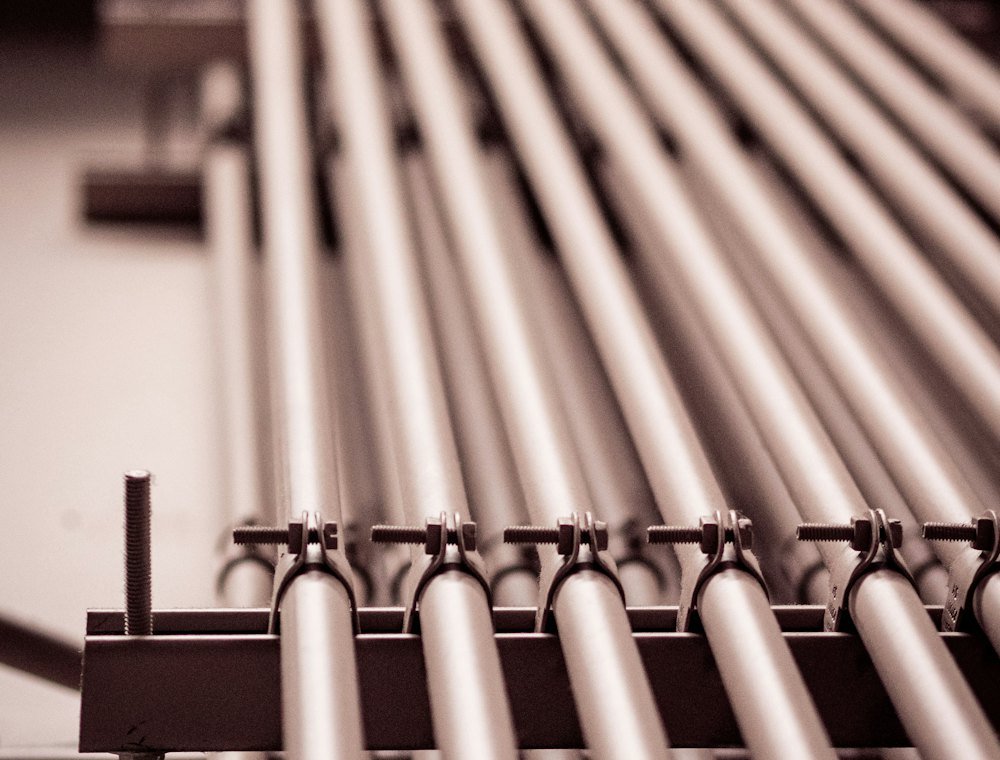 PEX repipes
Signs Your Home Needs Repiping
If several of these sound familiar, it is worth getting a repipe estimate.
Repeated slab or pinhole leaks
Two or more leaks in a short period usually mean more are coming; a rising water bill is often the first sign.
Blue-green corrosion on copper
Visible corrosion at fittings and valves that can lead to a burst pipe.
Low or uneven water pressure
Scale build-up narrowing pipes throughout the home.
Discoloured or metallic-tasting water
Signs of internal pipe corrosion.
Galvanized or polybutylene pipe
Older materials known for failure.
Frequent repair visits
Repeated repairs adding up over time.
Talk to a Specialist About Whole-House Repipe
We will review your home and explain the routing and the full scope of work.
How a PEX Repipe Works
Assess the home
We review your plumbing layout and plan the new pipe routes.
Protect and access
Floors and furniture are protected and small openings made.
Install new PEX
New supply lines and valves are installed and connected.
Test and close
Full pressure test, then access points are closed for patching.
A Planned, Tidy Repipe
A repipe is a big decision. We plan it carefully, keep the house livable during the work and explain every step.
PEX specialists
Modern, flexible pipe suited to hard water.
Minimal openings
Planned routes mean fewer drywall cuts.
Planned start to finish
A clear plan covering the full project.
Stay in your home
Water is restored at the end of most work days.
Whole-House Repiping FAQ
How long does a whole-house repipe take?
Most single-family homes in Las Vegas are repiped in a few days, depending on size and layout.
Is PEX good for Las Vegas hard water?
Yes. PEX resists scale build-up and corrosion far better than copper in hard water.
Will I have water during the repipe?
In most cases water is restored at the end of each work day.
How much drywall needs to be opened?
Routes are planned to keep openings small, usually at fixtures and a few access points.
Does repiping stop slab leaks?
Yes. New lines run overhead, so water no longer travels through or under the slab.
Leak Detection & Repair Services
Slab Leak Detection
Find leaks under your concrete foundation with acoustic and thermal tools before you open a floor.
Learn more
Slab Leak Repair
Repair options after the slab leak is found: spot repair, reroute or repipe.
Learn more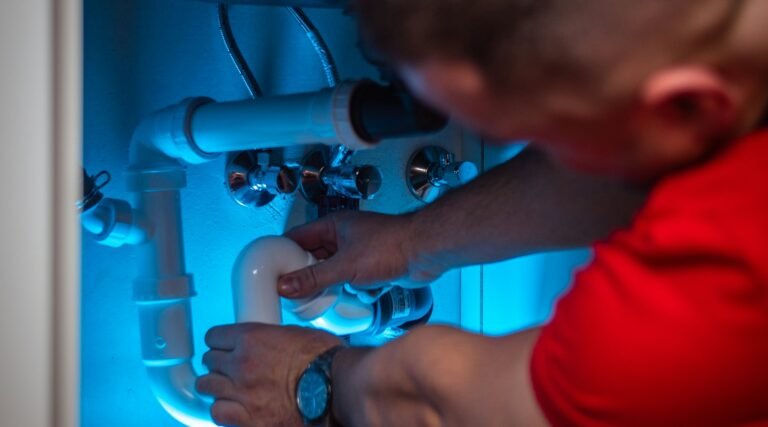
Pipe Leak Repair
Fix leaking copper, PEX and supply lines once the exact spot is confirmed.
Learn more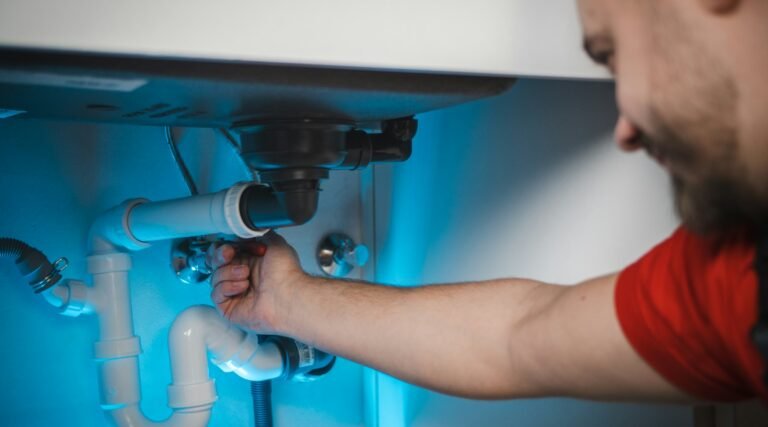
Water Leak Detection
Pinpoint hidden supply-line leaks inside walls, floors and ceilings without guesswork.
Learn more
High Water Bill Investigation
Track down the cause of a sudden jump in your water bill, from toilets to buried pipes.
Learn more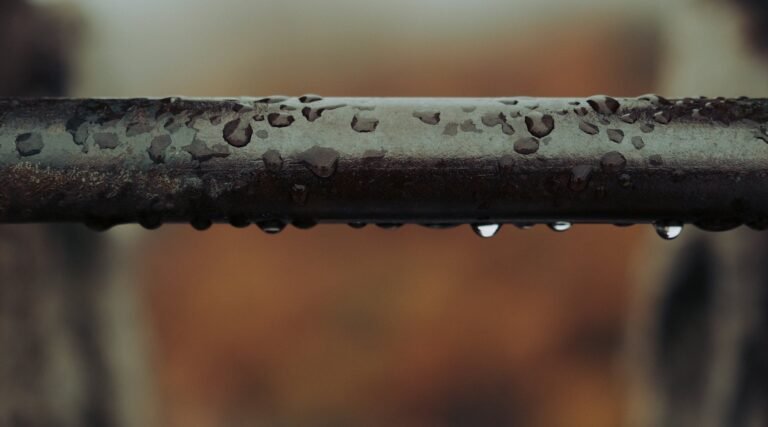
Burst Pipe Repair
Fast repair of burst and split pipes plus guidance to limit water damage.
Learn more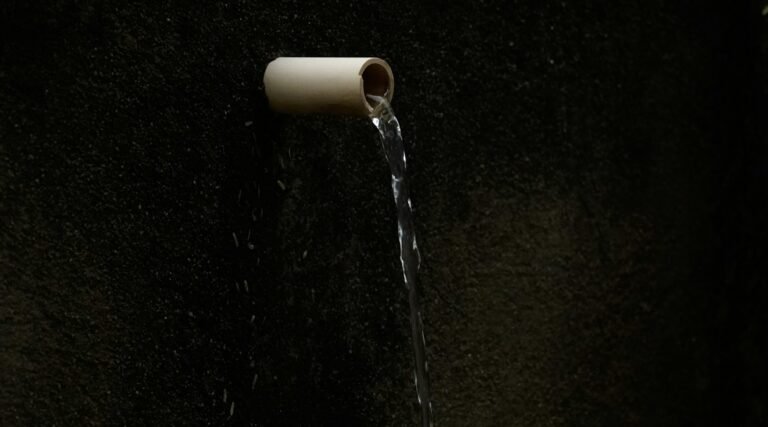
Emergency Leak Detection
24/7 leak response when water is actively spreading in your home or business.
Learn more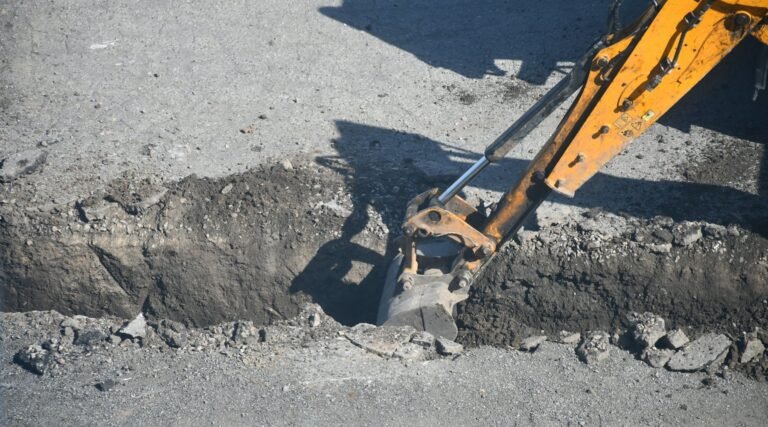
Water Line Repair
Repair or replace a leaking main water line from the meter to the house.
Learn more
Wall & Ceiling Leak Detection
Locate the source of stains, bubbling paint and drips in walls and ceilings.
Learn more