
Water Line Leak Detection in Las Vegas, NV
When the leak indicator on your meter spins but nothing inside the house is wet, the problem is often the main service line running from the street to your home. We confirm it at the meter, trace the buried pipe and pinpoint the break so the repair is one small dig, valley-wide.
- Local leak specialists
- Same-day appointments
- Non-invasive testing
Finding Leaks on Your Main Water Line
How can I tell if my main water line is leaking?
Close the main shut-off valve at the house and watch the water meter. If the leak indicator still moves, water is escaping on the service line between the meter and the home. Wet ground along the line, low pressure and a sudden bill increase are other common signs.
Your main water line carries full city pressure from the meter box at the curb to the shut-off valve at the house. Because it is buried and pressurized, even a small crack can waste thousands of gallons and undermine walkways or the driveway above it. Our water line leak detection isolates this one pipe and locates the failure precisely.
Older homes may still have galvanized or thin copper service lines, while newer builds use PEX or polyethylene that can be cut by roots or shifting soil. Once the leak is found we can arrange main water line repair or, if the line is failing in several places, a full replacement. If the meter test points to plumbing inside the house instead, we switch to indoor water leak detection or check for a slab leak.
- Meter and shut-off valve isolation test
- Electronic tracing of the service line route
- Acoustic pinpointing under concrete and gravel
- Clear repair or replacement recommendation
 Meter to house
Signs Your Main Water Line Is Leaking
Main line leaks can be large, but desert soil often hides them. These are the most common clues.
Meter spins with the main valve closed
If the meter moves after the house shut-off is closed, the leak is between the two.
Wet ground between street and house
A soft, damp strip along the path of the line is a classic sign of an underground leak.
Sudden drop in water pressure
A large break can lower pressure at every fixture in the home.
Water bill spike
A sharp, unexplained jump in usage, the kind our high water bill investigation tracks down.
Sinking walkway or driveway
Water washing out soil can cause concrete above the line to settle.
Hissing near the meter box
You may hear water rushing at the meter or near the house shut-off.
Talk to a Specialist About Water Line Leak
Call or send a request and we will explain the locating work.
How We Locate a Main Line Leak
Test at the meter
Confirm water loss with the house supply valve closed.
Trace the route
Find the actual path of the buried pipe from meter to house.
Acoustic pinpointing
Listen through soil and concrete for the leak signature.
Repair plan
Mark the spot and explain repair or replacement options.
Accurate Main Line Locating
A main line can run 30 to 100 feet under landscaping and concrete. Finding the exact break keeps the dig small and the repair simple.
Service line experience
Copper, galvanized, PEX and poly lines common in the valley.
Precise locating
Electronic tracing plus acoustic confirmation.
Clear next steps
Clear findings explained in plain language.
Fast response
Large leaks get priority scheduling.
Water Line Leak Detection FAQ
How do I check if my main water line is leaking?
Close the main shut-off valve at the house and watch the meter. If it still moves, the leak is likely on the service line between the meter and the house.
Who pays for a main water line leak in Las Vegas?
Pipes on the house side of the meter are usually the homeowner's responsibility. Leaks before the meter are handled by the water utility, such as the Las Vegas Valley Water District.
Can a water line leak be repaired without replacing the whole line?
Often yes. Once the leak is pinpointed, a single section can usually be repaired. Lines with repeated failures may be better replaced, sometimes alongside whole-house repiping.
How long does it take to find a main line leak?
Most service line leaks are located during a single visit, depending on line length and surface conditions.
What causes main water line leaks?
Age, corrosion, shifting soil, tree roots and high water pressure are the most common causes in Las Vegas.
Leak Detection & Repair Services
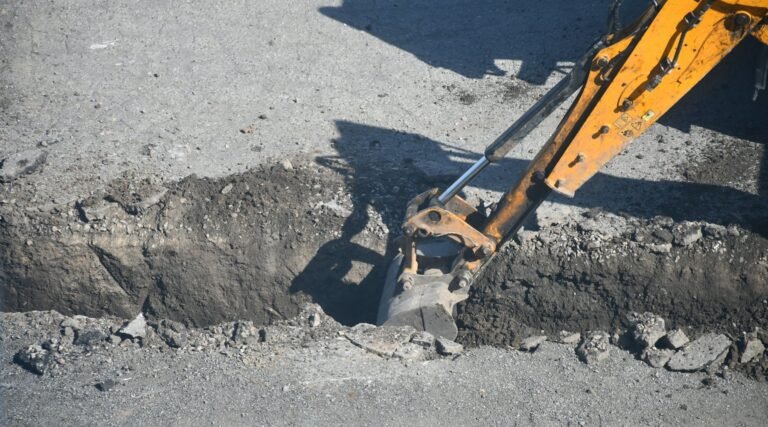
Water Line Repair
Repair or replace a leaking main water line from the meter to the house.
Learn more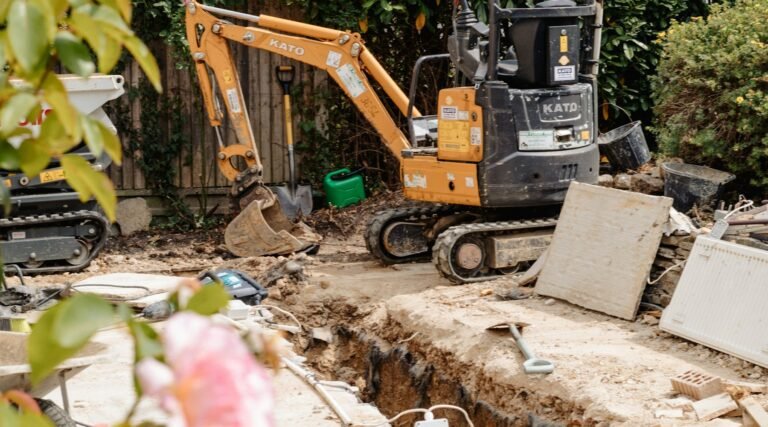
Underground Leak Detection
Trace leaks in buried lines between the meter, house, yard and pool equipment.
Learn more
High Water Bill Investigation
Track down the cause of a sudden jump in your water bill, from toilets to buried pipes.
Learn more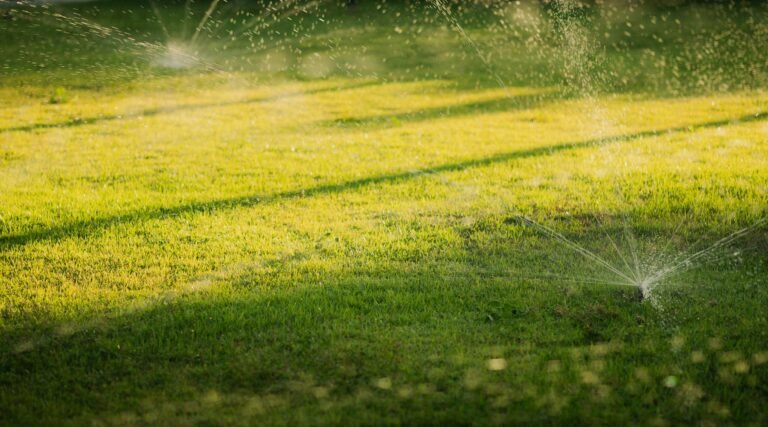
Irrigation Leak Detection
Find wasted water in drip lines, valves and sprinkler laterals in desert landscaping.
Learn more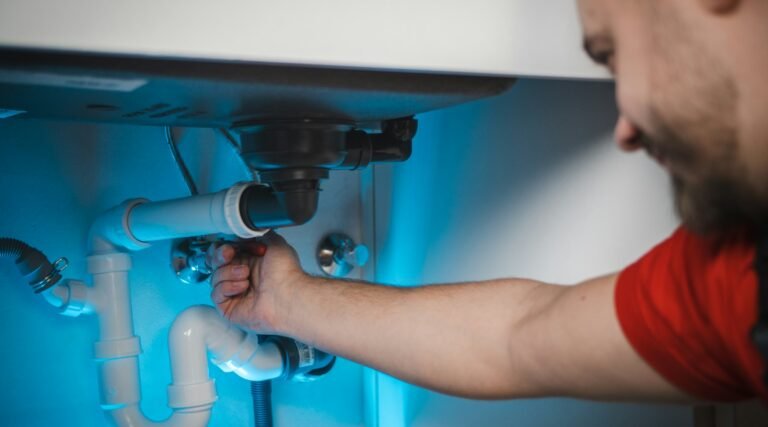
Water Leak Detection
Pinpoint hidden supply-line leaks inside walls, floors and ceilings without guesswork.
Learn more
Slab Leak Detection
Find leaks under your concrete foundation with acoustic and thermal tools before you open a floor.
Learn more
Acoustic Leak Detection
Ground microphones and listening gear that hear pressurized water escaping.
Learn more
Emergency Leak Detection
24/7 leak response when water is actively spreading in your home or business.
Learn more
PEX Whole-House Repiping
Replace failing copper with PEX when pinhole leaks keep coming back.
Learn more