
HOA & Property Manager Leak Detection in Las Vegas
Managing a community means leaks rarely stay inside one unit. We help Las Vegas HOAs and property managers trace water loss in common-area mains, clubhouse pools, irrigation zones and resident homes, then document every finding in reports your board and owners can act on.
- Local leak specialists
- Same-day appointments
- Non-invasive testing
Leak Detection for Communities and Managed Properties
How do HOAs handle hidden leaks in common areas?
Most HOAs start with meter and sub-meter data to find which zone is using more water, then isolate common-area mains, irrigation and amenity plumbing one at a time. Acoustic and thermal testing pinpoints the leak, and a written report helps the board decide on repairs and who is responsible.
Common-area plumbing in a Las Vegas community can include miles of buried mains, dozens of irrigation valves, a clubhouse, a pool and a fitness center. When the master meter starts climbing, finding the source takes a methodical approach. Our HOA leak detection service works zone by zone, so the board gets a clear answer rather than a guess.
We regularly trace leaks in shared underground mains, amenity pools through pool leak detection and drip zones with irrigation leak detection. When a resident reports a stain or warm floor, the same process determines whether the leak belongs to the unit or the association.
- Master meter and sub-meter analysis
- Common-area main and irrigation testing
- Clubhouse, pool and amenity leak detection
- Board-ready written reports with photos
 Las Vegas communities
Leaks We Find in Las Vegas Communities
These are the most frequent sources of water loss across HOA and managed properties.
Buried common-area mains
Long runs between buildings and amenities can leak for months under landscaping.
Irrigation valves and drip zones
Large landscaped areas mean many valves that can stick open.
Clubhouse and pool plumbing
Amenity pools, spas and restrooms add complex, heavily used systems.
Unit-versus-association questions
Testing shows whether a leak sits on the owner or the association side; see apartment and condo leak detection.
Talk to a Specialist About Community Leaks
Share your meter data and the problem area, and we will explain how testing can be scheduled around residents.
How We Work With Boards and Managers
Review usage
We look at master meter and sub-meter trends with your team.
Plan around residents
Testing is scheduled to keep water service disruption minimal.
Locate the leak
Zone isolation, acoustic and thermal methods pinpoint the source.
Report to the board
Written findings, photos and clear repair recommendations.
Clear Answers for Boards and Owners
Board members and owners need facts they can act on. Every visit ends with documentation that explains what was tested, what was found and what should happen next.
Community experience
Common areas, amenities and resident units.
Documented findings
Photos and notes suitable for board packets.
Flexible scheduling
Early, late and weekend visits available.
Methodical testing
Zone-by-zone isolation, not guesswork.
HOA Leak Detection FAQ
Who is responsible for a leak in an HOA community?
It depends on where the leak is and your governing documents. Testing shows whether the leak is on a common-area line or inside a unit, which helps the board apply its rules.
Can you test without shutting off water to residents?
Usually yes. Most isolation tests are short, and we plan them to keep interruptions brief.
Do you provide reports for board meetings?
Yes. You receive written findings with photos that can be shared with the board and owners.
Do you handle common-area pools?
Yes. Amenity pools and spas are tested through the same process we use for commercial leak detection.
Leak Detection & Repair Services
Commercial Leak Detection
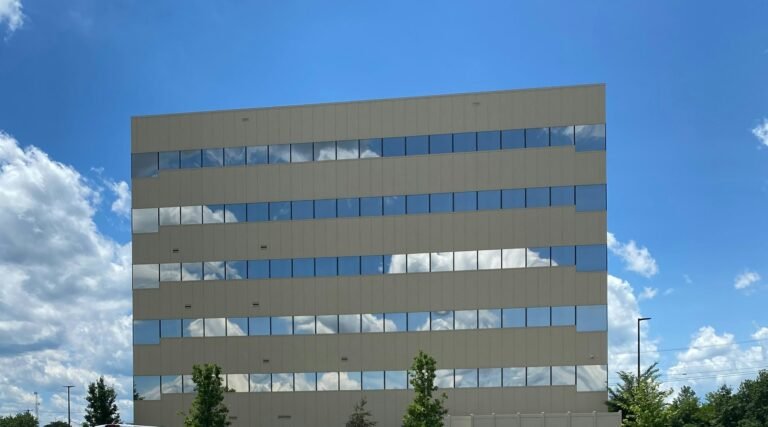
Leak detection for offices, restaurants, HOAs, apartments and retail spaces.
Learn more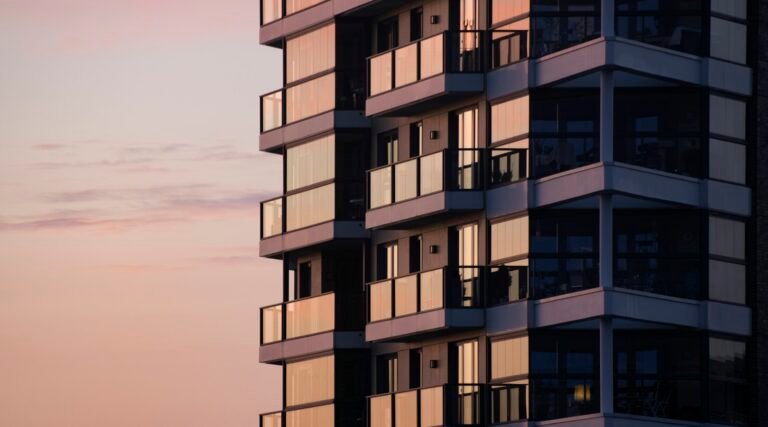
Apartment & Condo Leak Detection
Trace leaks between units, shared walls and risers in apartments and condos.
Learn more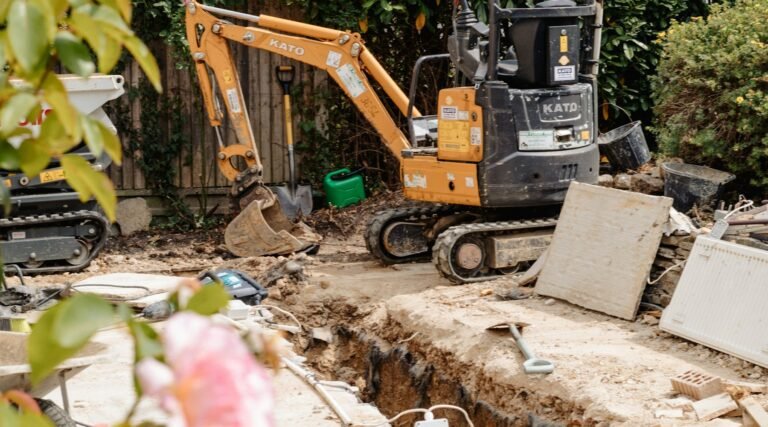
Underground Leak Detection
Trace leaks in buried lines between the meter, house, yard and pool equipment.
Learn more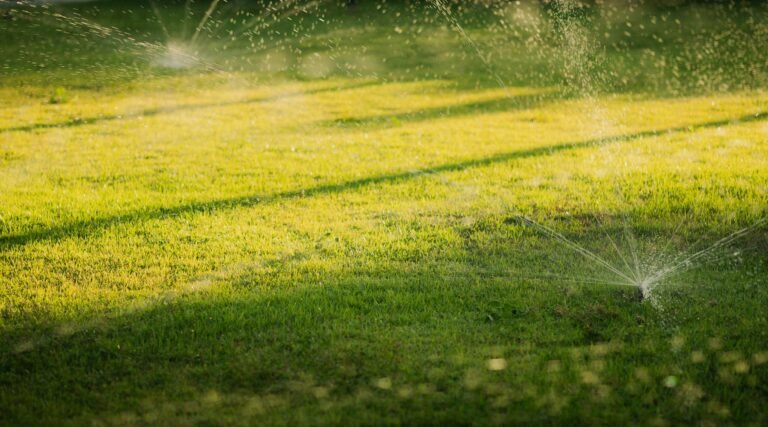
Irrigation Leak Detection
Find wasted water in drip lines, valves and sprinkler laterals in desert landscaping.
Learn more
Pool Leak Detection
Dye, pressure and electronic testing for pool shells, lights, skimmers and plumbing.
Learn more
High Water Bill Investigation
Track down the cause of a sudden jump in your water bill, from toilets to buried pipes.
Learn more
Leak Detection for Insurance Claims
Documented leak location, photos and written findings to support insurance claims.
Learn more
Emergency Leak Detection
24/7 leak response when water is actively spreading in your home or business.
Learn more
Water Line Leak Detection
Locate leaks on the main service line from the water meter to your home.
Learn more