
High Water Bill Leak Detection in Las Vegas
Opened a water bill that is double last month with no pool fill or new landscaping to explain it? We investigate the whole property, from running toilets and irrigation valves to slab and buried service lines, until we find where the extra gallons are going.
- Local leak specialists
- Same-day appointments
- Non-invasive testing
We Find What Is Behind Your High Water Bill
Why is my water bill suddenly so high?
The most common causes in Las Vegas are running toilets, irrigation valves that do not close, slab leaks and breaks in the main service line. A meter test with all water off confirms whether a leak exists, and testing each system in turn shows where the extra water is going.
A sudden jump in usage is one of the earliest and most reliable signs of a hidden leak. Our high water bill investigation works through every possible cause in a logical order, so you are not paying to test the wrong thing. We check fixtures and appliances first, then move to the lines you cannot see.
Common culprits in the valley include toilet flappers, irrigation valves that never fully close and pinhole leaks in copper. When the fixtures check out, we move on to slab leak detection for lines under the floor, and irrigation leak detection for drip systems and sprinkler laterals. If the meter keeps moving with the house valve closed, the next step is tracing the main water line.
- Full fixture and appliance check
- Meter flow-rate testing
- Indoor, outdoor and irrigation line isolation
- Written summary of what was found
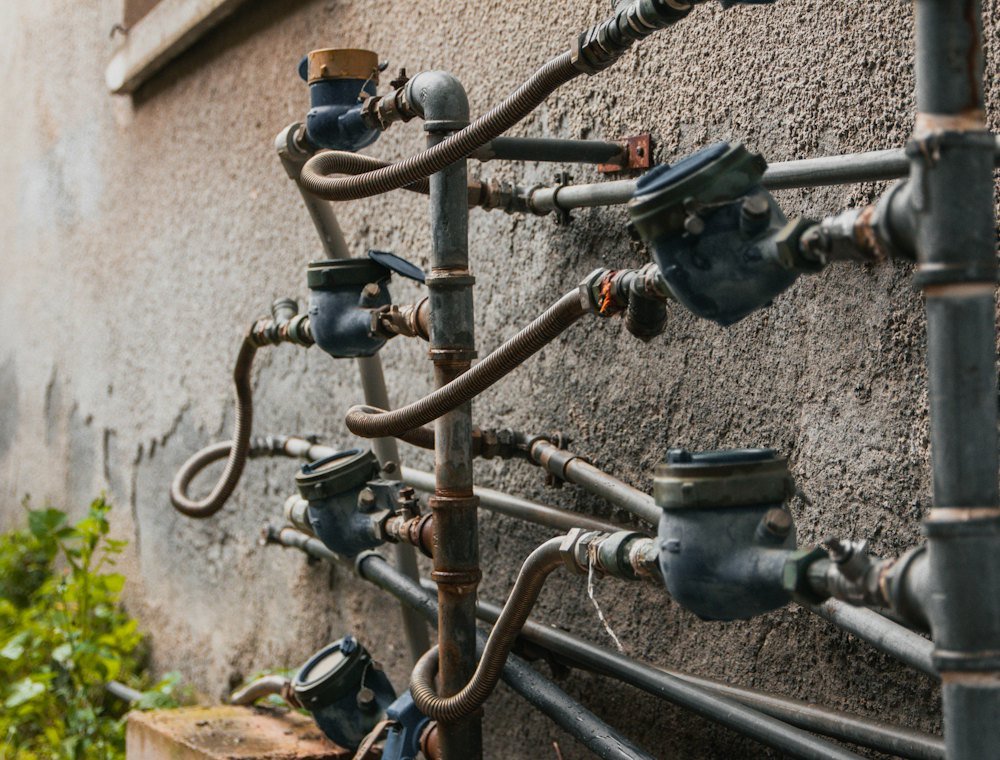 Las Vegas Valley
What Causes a High Water Bill in Las Vegas?
These are the issues we find most often when a bill suddenly climbs.
Running or silently leaking toilets
A worn flapper can waste hundreds of gallons a day without making noise.
Irrigation valve and drip leaks
Valves that stick open or broken drip lines run on every watering cycle.
Slab leaks
A pinhole in a hot or cold line under the floor leaks around the clock.
Main service line leaks
A break between the meter and the house loses water before it reaches a fixture.
Pool auto-fill problems
A pool leak can keep the auto-fill running and drive usage up.
Water heater and softener issues
Relief valves, recirculation pumps and softener regeneration can all waste water.
Schedule a High Water Bill Check
Share your recent usage and symptoms, and we will tell you what testing makes sense.
How We Investigate a High Water Bill
Review usage
We look at your recent bills and the timing of the increase.
Check fixtures
Toilets, faucets, appliances and the water heater are tested first.
Isolate systems
Indoor, outdoor and irrigation lines are tested one at a time.
Locate the leak
Hidden leaks are pinpointed with acoustic and thermal equipment.
A Methodical Search, Not a Guess
High water bills have many possible causes. A step-by-step process finds the real one without paying for tests you do not need.
Bill-focused approach
We start with your usage data, not assumptions.
Whole-property testing
Indoor, outdoor, irrigation and pool systems covered.
Clear findings
You get a written summary of what was found.
Fast appointments
Same-day visits available across the valley.
High Water Bill FAQ
Why is my water bill so high all of a sudden?
The most common causes are a running toilet, an irrigation leak, a slab leak or a break in the main service line. A meter test is the quickest way to confirm a leak.
How can I check for a leak myself?
Turn off all water use and watch the meter's leak indicator for 10 to 15 minutes. If it moves, there is a leak somewhere on the property.
Can a toilet really cause a high water bill?
Yes. A toilet that runs constantly can waste thousands of gallons a month, often without being noticed.
Will the water company adjust my bill after a leak?
Some utilities offer a one-time leak adjustment once the leak is repaired. Our written findings can support that request, and the Las Vegas Valley Water District lists its current customer policies online.
How can I estimate how much water I am losing?
Take two meter readings with all water off and enter them in our water leak calculator to see gallons lost per day and month.
Leak Detection & Repair Services
Slab Leak Detection
Find leaks under your concrete foundation with acoustic and thermal tools before you open a floor.
Learn more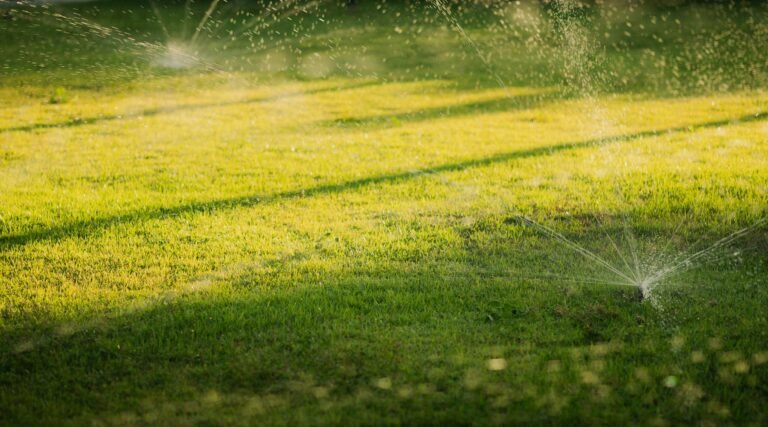
Irrigation Leak Detection
Find wasted water in drip lines, valves and sprinkler laterals in desert landscaping.
Learn more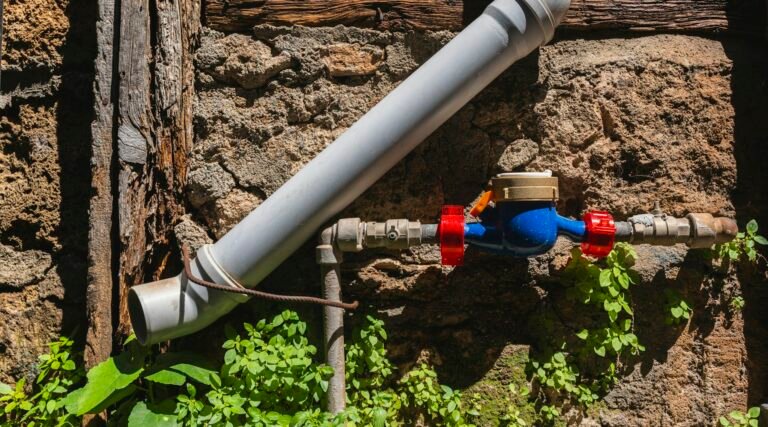
Water Line Leak Detection
Locate leaks on the main service line from the water meter to your home.
Learn more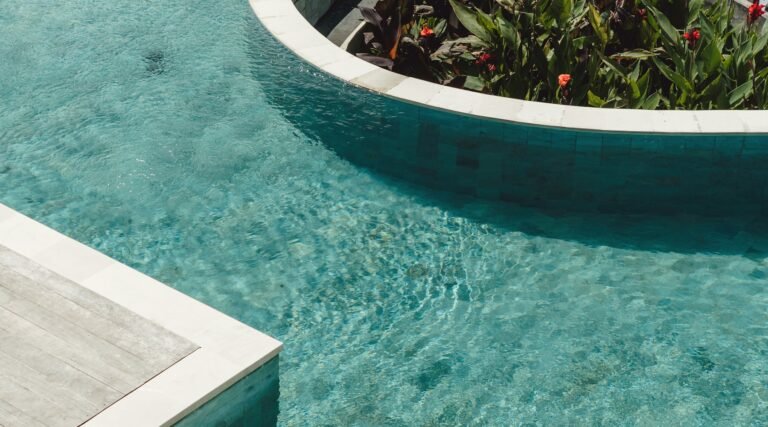
Pool Leak Detection
Dye, pressure and electronic testing for pool shells, lights, skimmers and plumbing.
Learn more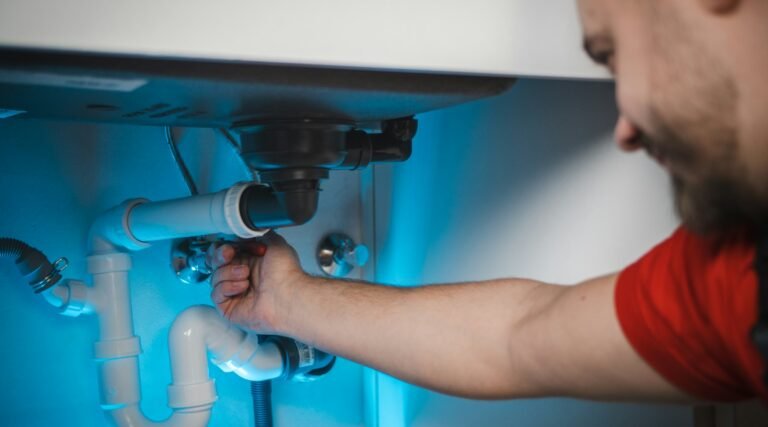
Water Leak Detection
Pinpoint hidden supply-line leaks inside walls, floors and ceilings without guesswork.
Learn more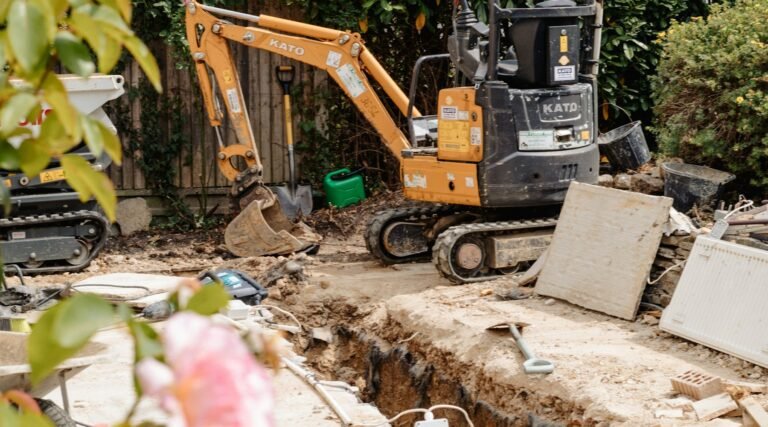
Underground Leak Detection
Trace leaks in buried lines between the meter, house, yard and pool equipment.
Learn more
Acoustic Leak Detection
Ground microphones and listening gear that hear pressurized water escaping.
Learn more
Emergency Leak Detection
24/7 leak response when water is actively spreading in your home or business.
Learn more
Pipe Leak Repair
Fix leaking copper, PEX and supply lines once the exact spot is confirmed.
Learn more