
Water Leak Calculator
Is your house losing water, and from where? Enter two meter readings to see gallons lost per day, run the pool bucket test, or tick your symptoms in the leak checker to see the most likely source and what to check next. Each takes a few minutes.
- Local leak specialists
- Same-day appointments
- Non-invasive testing
Check Your Home for a Leak in Minutes
Use your water meter or a simple bucket to measure how much water you may be losing. Both tools run in your browser, and nothing you enter is saved or sent anywhere.
Water Meter Leak Calculator
Turn off every faucet, appliance and the irrigation controller. Write down the meter reading, wait without using any water, then read it again.
Watch the leak indicator. Most meters have a small red or blue triangle or star dial. If it turns while every fixture is off, water is moving somewhere in the system.
Pool Bucket Test Calculator
Set a bucket of pool water on the first step, mark the water level inside the bucket and on the pool wall, and measure both drops after 24 hours.
Compare the two marks. The bucket only loses water to evaporation. If the pool drops noticeably more than the bucket in 24 hours, the extra is likely a leak.
How to Read Your Water Meter
Most Las Vegas meters sit in a concrete box near the curb. Here is how to get accurate readings for the calculator.
Find the meter box
Lift the lid carefully near the curb or sidewalk in front of the home.
Note the leak indicator
A small triangle, star or dial spins with even tiny flows; movement with all water off means a leak.
Read every digit
Write down the full number, including any decimal or the position of the sweep hand.
Wait without using water
15 minutes is enough for most leaks; 60 minutes catches very small ones.
What Your Water Loss Means
| Water lost per day | What it usually means | Next step |
|---|---|---|
| 0 gallons | No measurable leak during the test. | Repeat over 60 minutes to rule out a very slow leak. |
| Under 20 gallons | A dripping fixture or toilet flapper is the most common cause. | Do a toilet dye test and check faucets and hose bibs. |
| 20 to 200 gallons | A hidden leak in irrigation, a slab line or the service line is likely. | Close the house shut-off; if the meter stops, the leak is inside. |
| Over 200 gallons | A large leak that can damage floors, walls or soil quickly. | Close the main valve and call (702) 850-6436. |
Results are estimates based on the readings you enter and are not a diagnosis.
What Kind of Leak Do You Have?
Tick the signs you have noticed and the checker suggests the most likely leak type, what to check next and which service fits.
Your Likely Leak Type
Tick everything you have noticed. Results update instantly.
Calculator Shows a Leak?
A local leak specialist can find exactly where the water is going, usually without opening walls or floors.
How to Run a Water Meter Leak Test
Turn everything off
Faucets, toilets, appliances, softener, pool fill and irrigation.
Take the first reading
Write down the meter number and the time.
Wait 15 to 60 minutes
Do not use any water during the test.
Take the second reading
Enter both numbers above to see how much water moved.
Water Leak Calculator FAQ
How accurate is a water meter leak test?
It is very reliable for confirming whether water is leaving the system. The calculator converts your readings into gallons per day and month so you can judge how serious the leak is. The EPA WaterSense program also publishes household leak-checking tips.
What if my meter reads in cubic feet?
Choose cubic feet in the calculator. One cubic foot equals about 7.48 gallons, and the tool converts it for you.
How do I know if the leak is inside or outside?
Close the main shut-off valve at the house. If the meter stops, the leak is inside; if it keeps moving, the leak is likely on the main service line.
How much pool water loss is normal in Las Vegas?
In summer, evaporation can reach about a quarter inch per day. If the pool loses noticeably more than the bucket, it is likely leaking and worth pool leak detection.
Is my information saved?
No. The calculators run entirely in your browser, and nothing you enter is stored or sent.
Found a Leak? Here Is How We Can Help
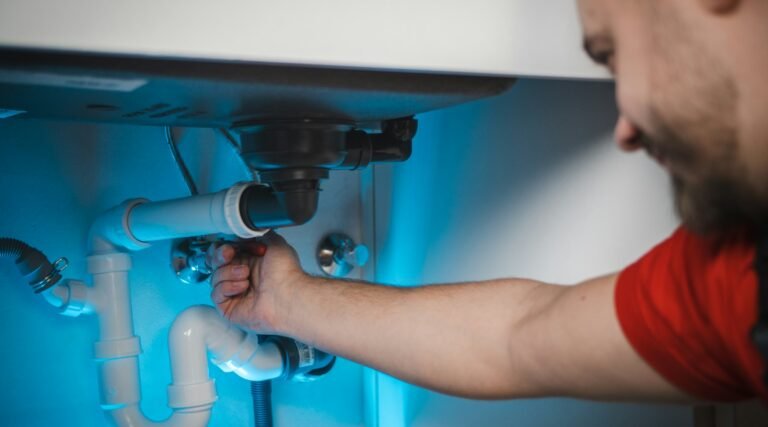
Water Leak Detection
Pinpoint hidden supply-line leaks inside walls, floors and ceilings without guesswork.
Learn more
Slab Leak Detection
Find leaks under your concrete foundation with acoustic and thermal tools before you open a floor.
Learn more
High Water Bill Investigation
Track down the cause of a sudden jump in your water bill, from toilets to buried pipes.
Learn more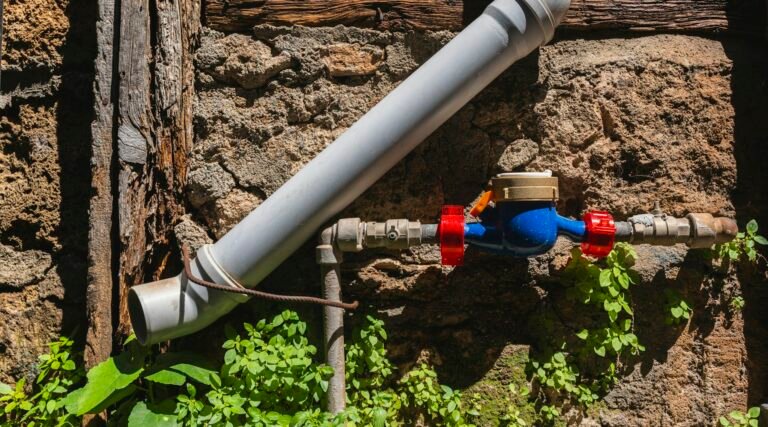
Water Line Leak Detection
Locate leaks on the main service line from the water meter to your home.
Learn more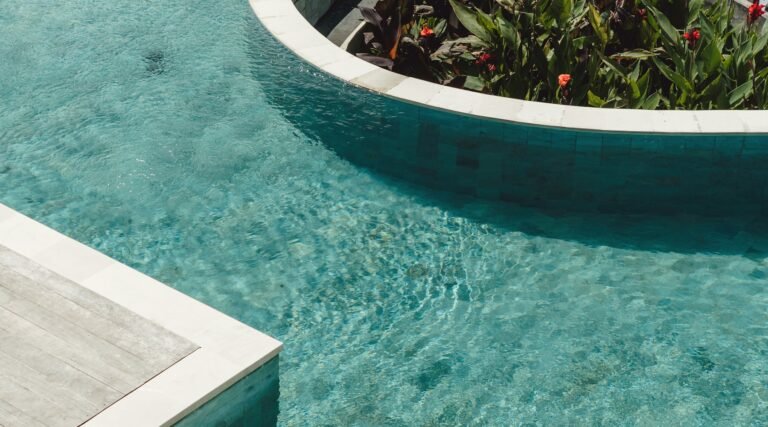
Pool Leak Detection
Dye, pressure and electronic testing for pool shells, lights, skimmers and plumbing.
Learn more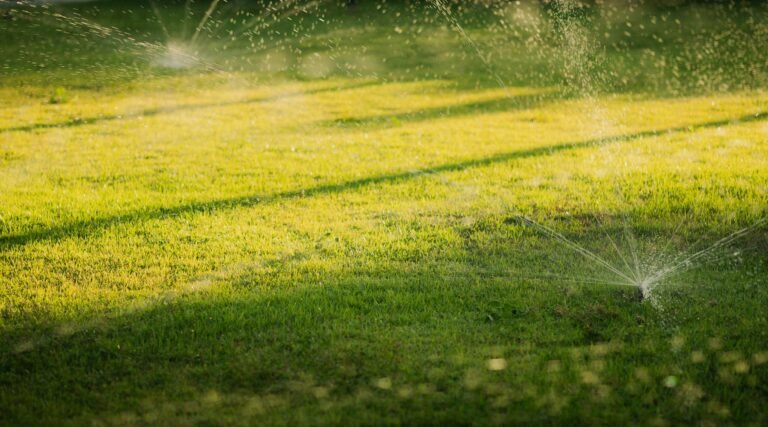
Irrigation Leak Detection
Find wasted water in drip lines, valves and sprinkler laterals in desert landscaping.
Learn more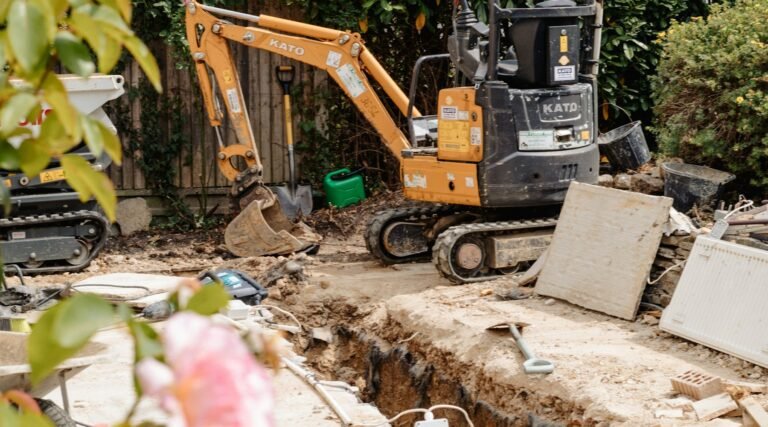
Underground Leak Detection
Trace leaks in buried lines between the meter, house, yard and pool equipment.
Learn more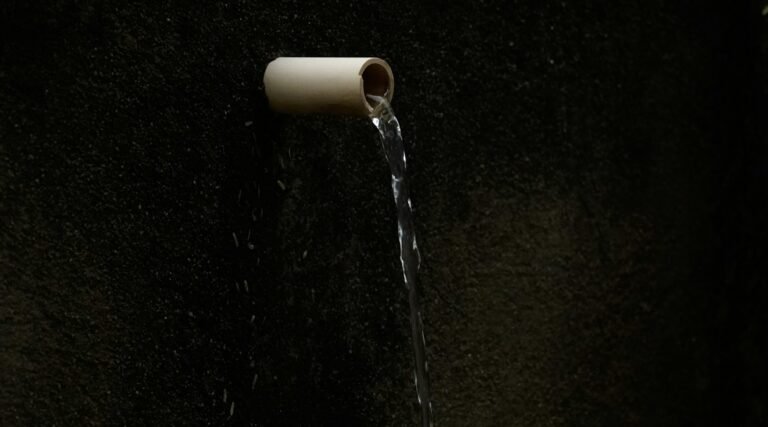
Emergency Leak Detection
24/7 leak response when water is actively spreading in your home or business.
Learn more
Slab Leak Repair
Repair options after the slab leak is found: spot repair, reroute or repipe.
Learn more