
Underground Leak Detection in Las Vegas, NV
Soggy gravel by the driveway, a sinking paver or a meter that spins while the house is quiet often means a buried pipe is leaking. We trace underground lines through yards, rock and concrete, then mark the leak so only one small hole is dug.
- Local leak specialists
- Same-day appointments
- Non-invasive testing
Locating Buried Pipe Leaks Without Trenching the Yard
How do you find a leak in a buried water pipe?
Buried leaks are found by isolating outdoor lines from the house plumbing, tracing the pipe route with electronic locators, then listening along the line with ground microphones. Tracer gas is used for very quiet leaks. The leak point is marked so only one small hole needs to be dug.
Underground lines run from the meter to the house, out to hose bibs, casitas, pool equipment and irrigation valves. When one of them breaks, water often disappears into sandy soil and caliche, so the yard can look completely normal. Our underground leak detection follows those lines electronically and listens for escaping water through soil, rock and hardscape.
If the leak is on the main service line from the meter, our water line leak detection team handles the trace and can line up water line repair right after. Leaks on the pool side of the property are handed to our pool leak detection specialists, who test returns, skimmer lines and equipment pads.
- Electronic pipe and tracer-wire locating
- Ground microphones for leaks under pavers and concrete
- Tracer gas testing for very small or quiet leaks
- Leak point marked for a single targeted dig
 Buried water lines
Signs of an Underground Water Leak
Desert soil drains quickly, so buried leaks can run for months. Look for these signs around your property.
Wet or sinking ground
Damp gravel, sunken pavers or soft spots where the soil should be dry.
Unusually green patches
One area of plants or turf thriving more than everything around it, which can also mean an irrigation leak.
Meter moves with all taps off
A spinning meter with the house shut off often means an outdoor line is leaking.
Water around the meter box
Pooling or constant moisture near the meter or a main shut-off valve.
Cracked driveway or walkway
Undermined soil can cause new cracks in concrete over a leaking pipe.
Higher bill, no indoor signs
A rising water bill with no visible indoor leak points to the buried lines.
Talk to a Specialist About Underground Leak
Tell us what you are seeing outside and we will explain the locating work.
How We Trace an Underground Leak
Isolate indoor vs outdoor
Shut-off and meter tests separate the house plumbing from the buried lines.
Locate the pipe path
Electronic locators map where the line actually runs under the yard.
Listen along the line
Ground microphones detect the sound of water escaping through soil.
Mark one dig spot
The leak is flagged so the repair needs a single, small excavation.
One Small Dig Instead of a Torn-Up Yard
Desert landscaping, pavers and concrete are expensive to replace. Accurate locating keeps the repair to one small opening and protects the rest of your property.
Advanced locating gear
Line tracers, ground mics and tracer gas for tough leaks.
Landscape-friendly
We work around rock beds, drip systems and hardscape.
Clear findings
Clear findings and next steps.
Fast scheduling
Same-day or next-day service in most of the valley.
Underground Leak Detection FAQ
How do you find a leak in an underground pipe?
We isolate the outdoor lines, trace the pipe route electronically, then use ground microphones and, when needed, tracer gas to locate the exact leak point.
Who is responsible for a leak between the meter and my house?
In Las Vegas, the line from the meter to the home is generally the homeowner's responsibility. The water utility handles leaks on its side of the meter.
Can you find leaks under concrete or pavers?
Yes. Acoustic equipment works through concrete, pavers and compacted soil so the surface is only opened at the marked spot.
How deep are underground water lines in Las Vegas?
Most residential service lines are 12 to 24 inches deep, though depth varies with the age of the home and landscaping changes.
Can a buried leak damage my foundation?
Yes. Water pooling near the foundation can soften soil and lead to settling, so outdoor leaks should be located promptly.
Leak Detection & Repair Services
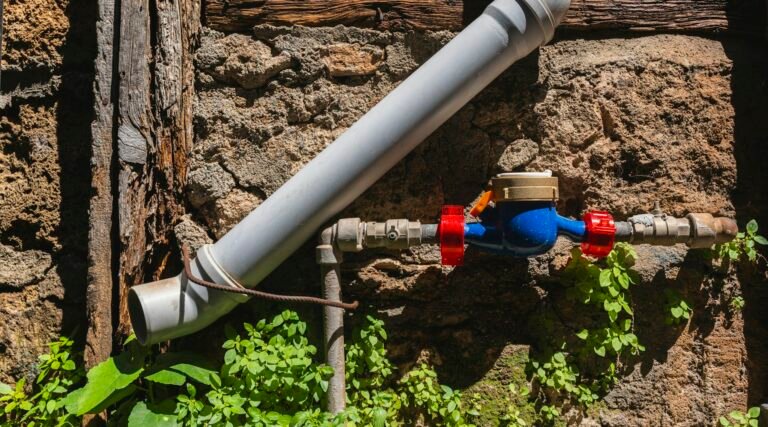
Water Line Leak Detection
Locate leaks on the main service line from the water meter to your home.
Learn more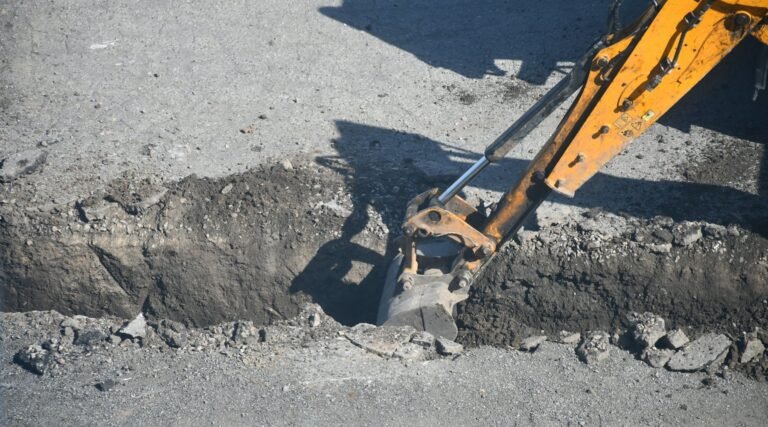
Water Line Repair
Repair or replace a leaking main water line from the meter to the house.
Learn more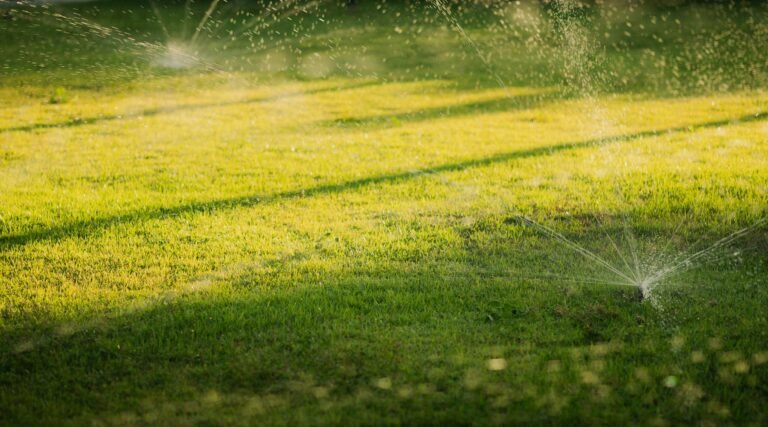
Irrigation Leak Detection
Find wasted water in drip lines, valves and sprinkler laterals in desert landscaping.
Learn more
Pool Leak Detection
Dye, pressure and electronic testing for pool shells, lights, skimmers and plumbing.
Learn more
High Water Bill Investigation
Track down the cause of a sudden jump in your water bill, from toilets to buried pipes.
Learn more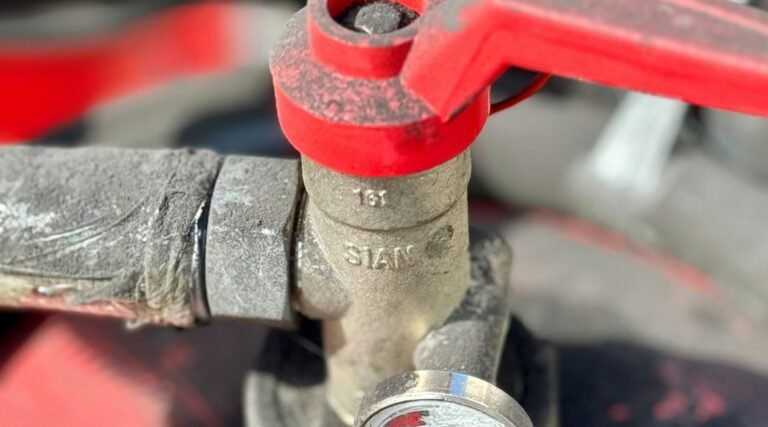
Acoustic Leak Detection
Ground microphones and listening gear that hear pressurized water escaping.
Learn more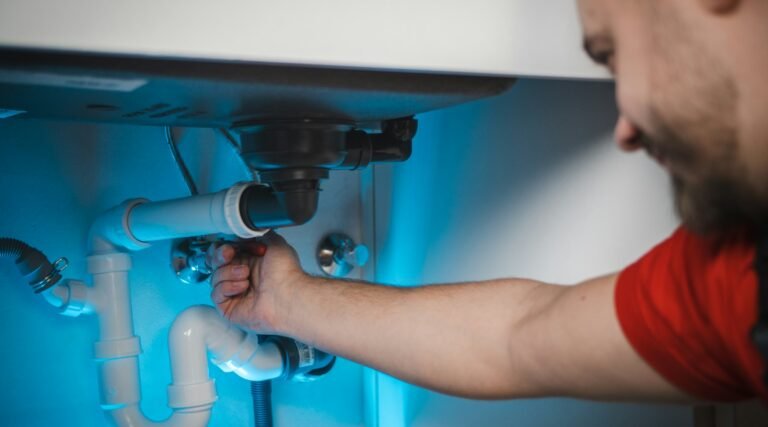
Water Leak Detection
Pinpoint hidden supply-line leaks inside walls, floors and ceilings without guesswork.
Learn more
Slab Leak Detection
Find leaks under your concrete foundation with acoustic and thermal tools before you open a floor.
Learn more
Emergency Leak Detection
24/7 leak response when water is actively spreading in your home or business.
Learn more